Stem Cell Blog
Stem cell research and Japanese regenerative medicine information by field, with the papers behind it.
AI-generated image · not real people or institutions
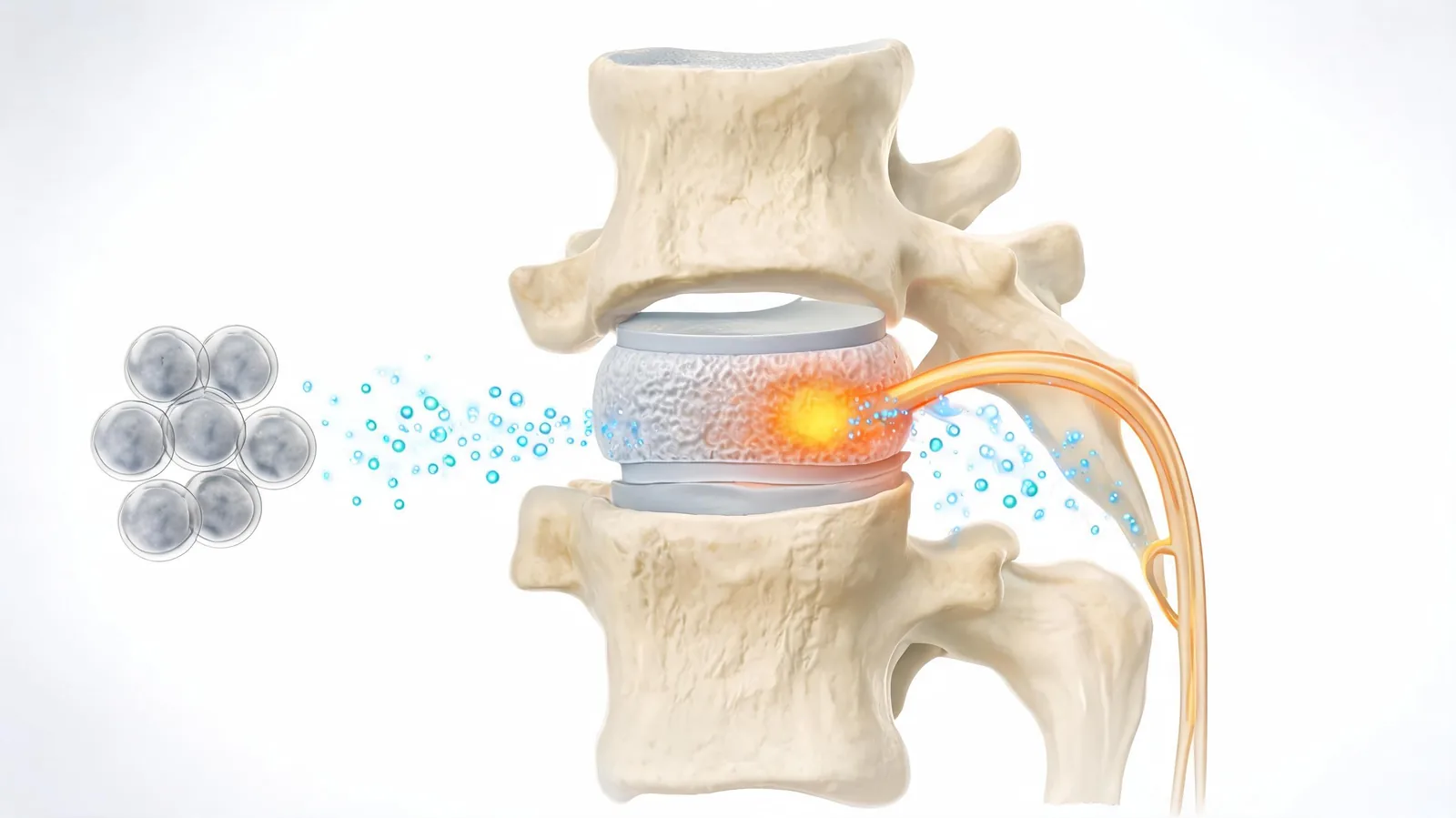
Stem Cell Secretome for Chronic Pain — Exosome Injection for Disc Pain in 76 People and a Joint Pain Pilot (2026)
After a single injection of stem cell exosomes, 90.9% of 76 people with neck or low back disc pain reported meaningful relief at 2 weeks, and 73.2% at 2 years. In a 10-person study of Ehlers-Danlos syndrome with persistent joint pain, 6 improved across several symptoms after bone marrow stem cell secretome.
Read more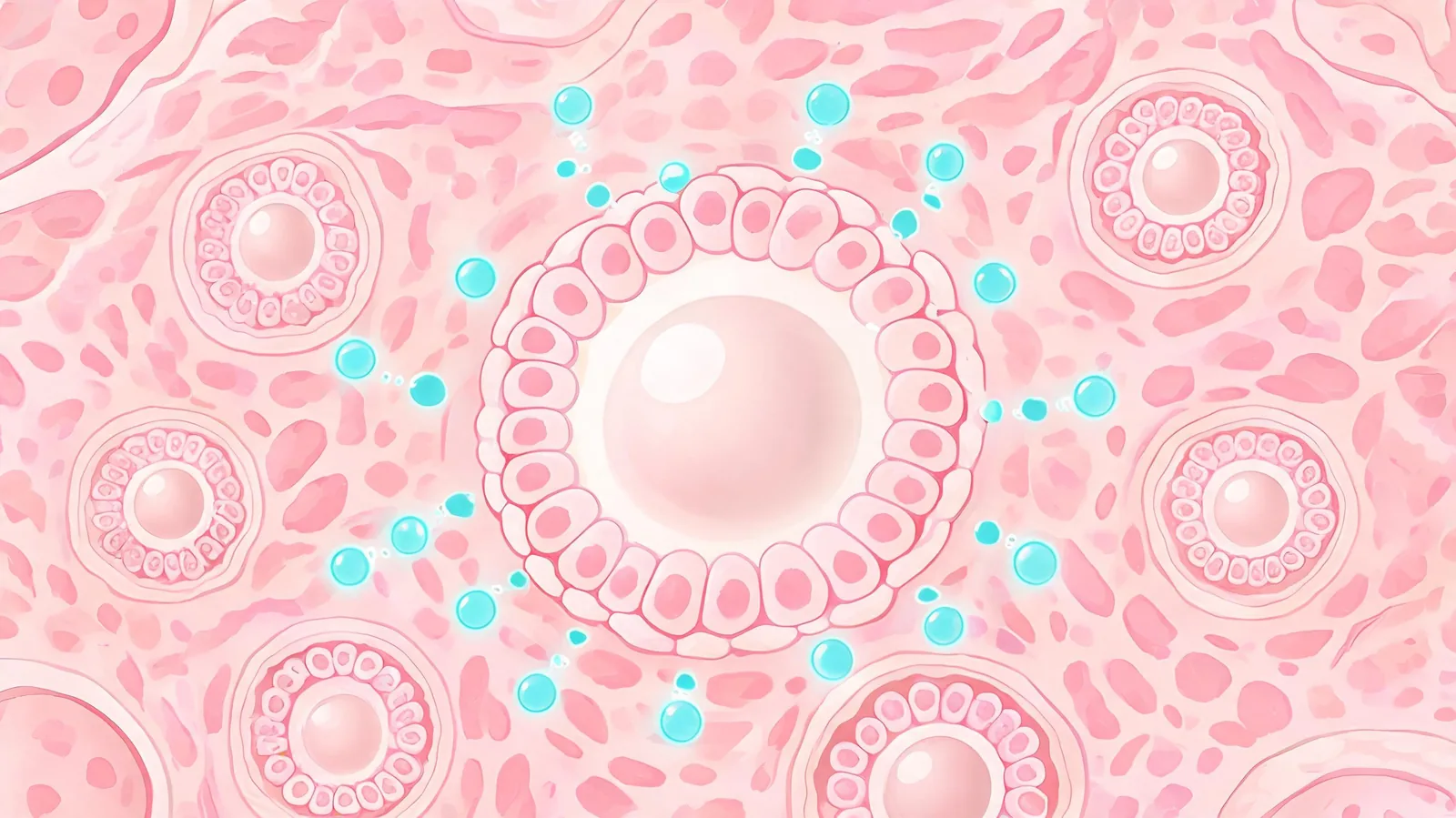
Exosomes for Ovarian Aging — Egg Maturation and Fat-Derived Stem Cell Results in Diminished Ovarian Reserve (2026)
In a randomized trial of 32 women with diminished ovarian reserve, immature eggs cultured with autologous exosomes matured at 63.63% versus 11.53% in standard culture. In a study of 29 women given fat-derived stem cells into the ovaries, AMH rose, and a larger rise was linked to a higher chance of obtaining eggs.
Read more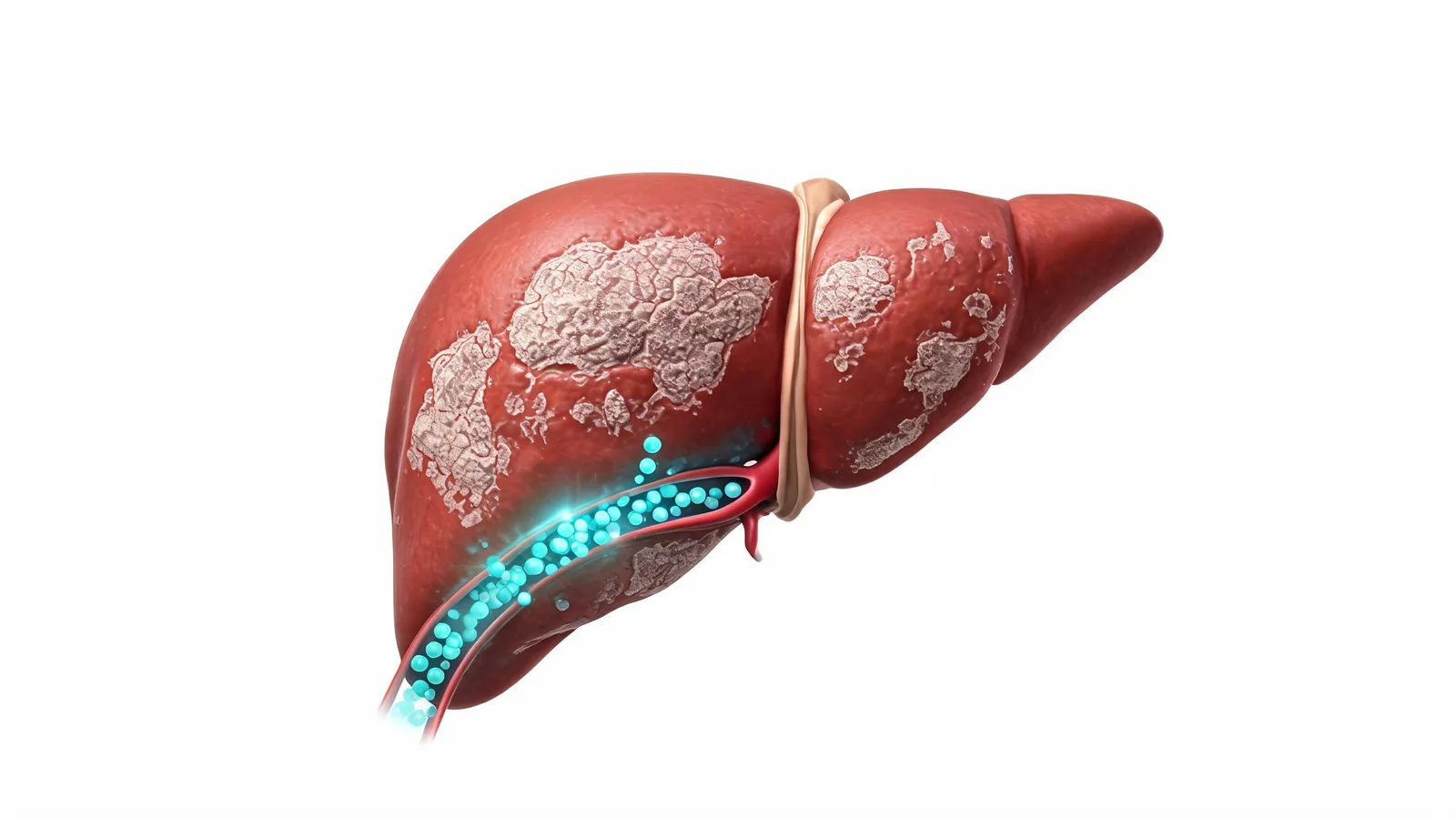
Liver Cirrhosis Stem Cells: Cord MSC Phase 1 via the Hepatic Artery and 4-Year Macrophage Therapy Results
In a phase 1 trial, umbilical cord-derived mesenchymal stem cells infused into the hepatic artery were followed by higher albumin and better quality of life. Edinburgh's macrophage therapy was reported to raise four-year transplant-free survival to 70%.
Read more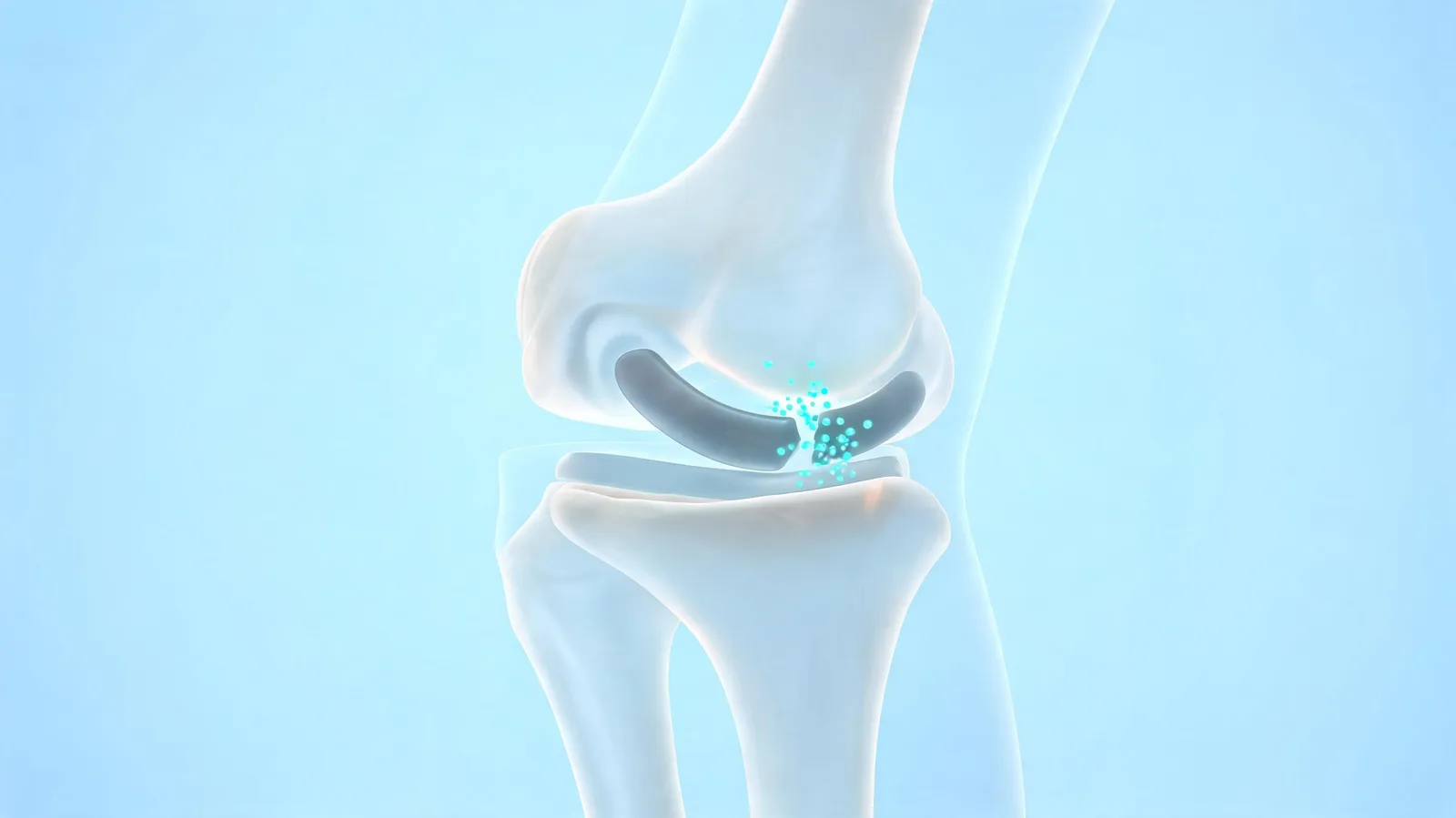
Knee Meniscus Stem Cells: Japan Approves SAVYSCUS, the First Regenerative Product for Meniscus Injury
A knee meniscus stem cell product made from patients' own synovial stem cells was approved in Japan in May 2026, a first for meniscus injury. We review phase 3 results showing knee function stayed high for two years, and a new osteoarthritis study at Tokai University.
Read more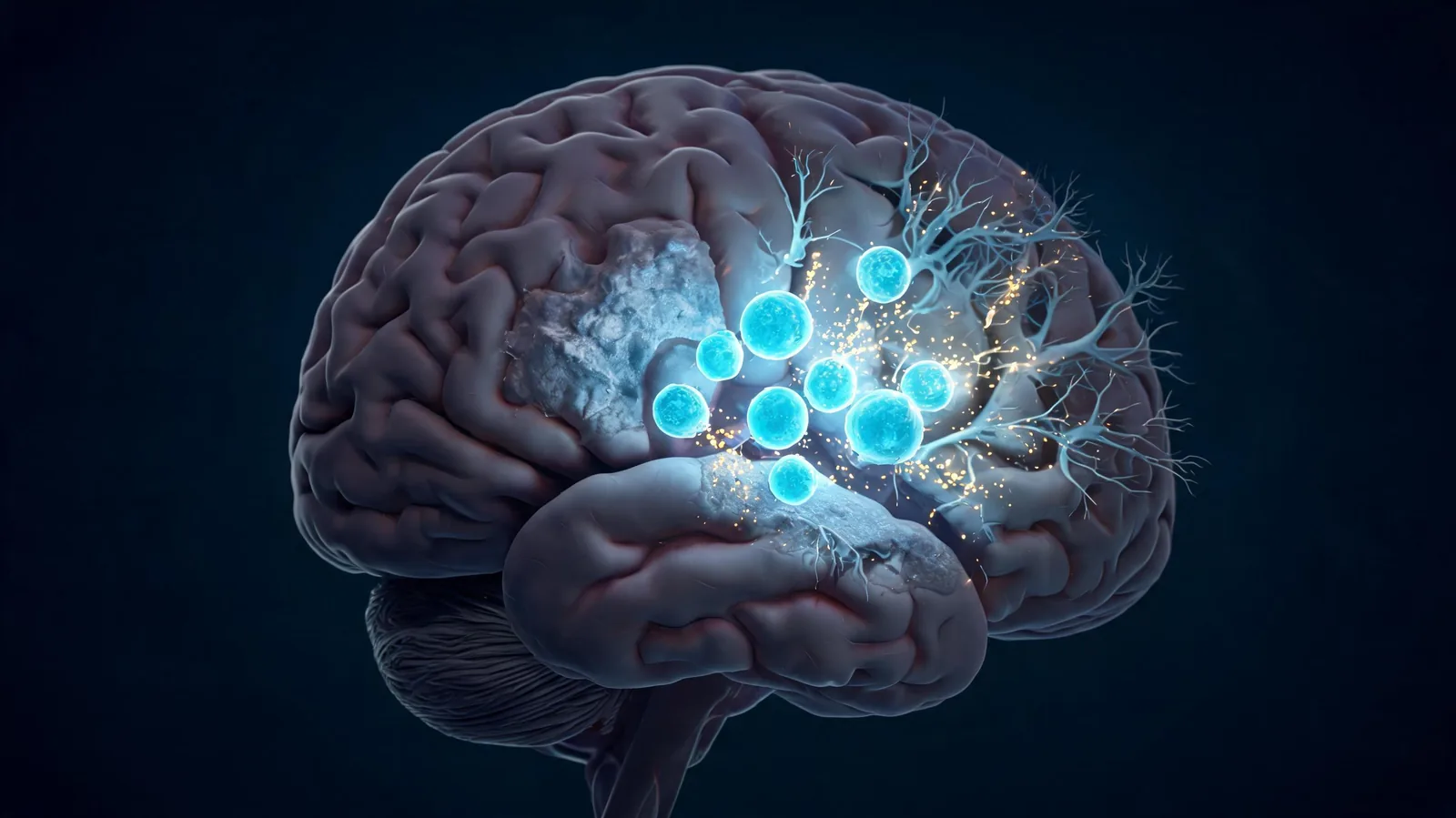
Bone Marrow Stem Cells for Brain Injury: AKUUGO Launches in Japan with Insurance Coverage, and New TBI Clinical Results
AKUUGO, a bone marrow stem cell product for chronic motor paralysis after traumatic brain injury, went on sale in Japan with insurance coverage in May 2026. In the US, a 24-patient study of intravenous autologous adipose stem cells reported improvements in brain inflammation markers and symptoms.
Read more
Stem Cells for Autism: 2026 Clinical Results — Intrathecal Umbilical Cord MSC Phase I and a Randomized Cord Blood Trial
In an Iranian phase I trial, the CARS score improved in all five autistic children who received umbilical cord-derived MSCs into the spinal canal three times. In a Chinese randomized double-blind trial, SRS-2 social scores improved more with cord blood mononuclear cells than with placebo.
Read more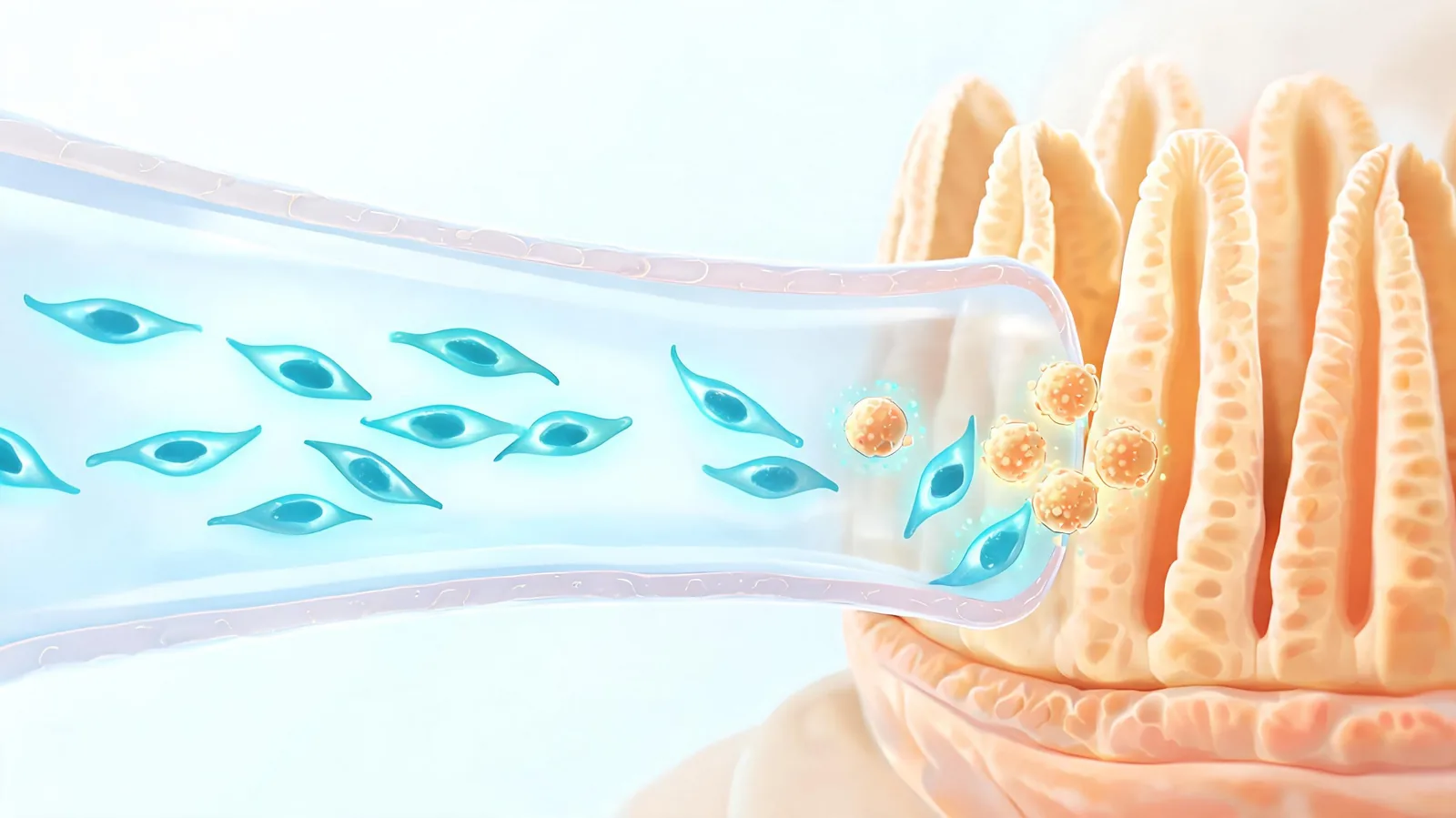
Stem Cells for Graft-versus-Host Disease (GVHD): 2026 Response and Survival Data and Japan's Temcell
A Spanish multicentre study reported a 71.4% day-28 response rate in 49 patients with steroid-refractory GVHD. In the US, 76% day-100 survival was reported in adolescents and adults who received Ryoncil as third-line therapy.
Read more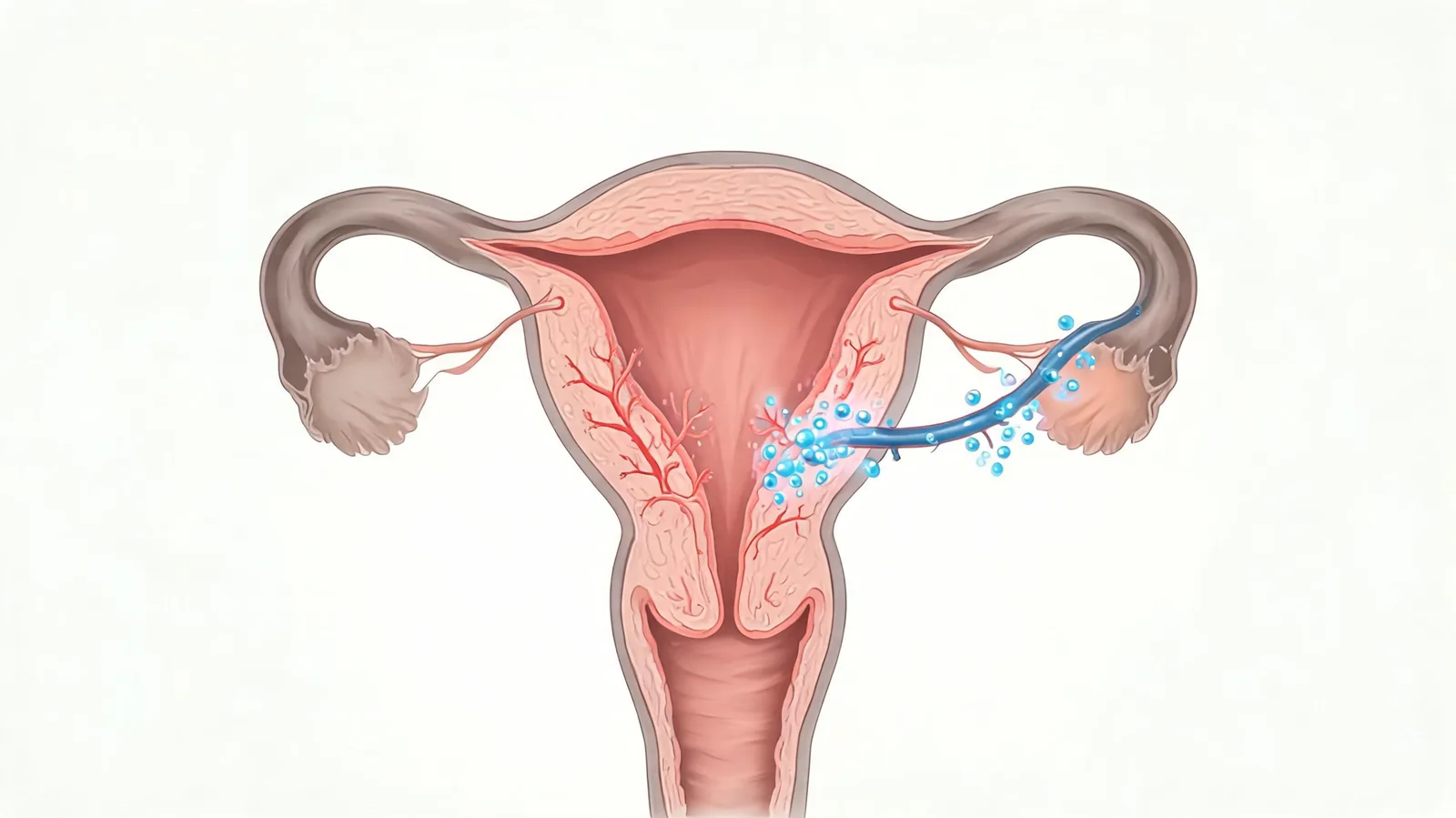
Bone Marrow Stem Cells for Infertility — Pregnancy and Birth Results in Intrauterine Adhesions and Thin Endometrium (2026)
In a randomized trial of 60 women with severe intrauterine adhesions, the clinical pregnancy rate was 50.0% with bone marrow stem cells versus 23.3% in controls. In a placenta-derived stem cell study, 11 of 35 women gave birth.
Read more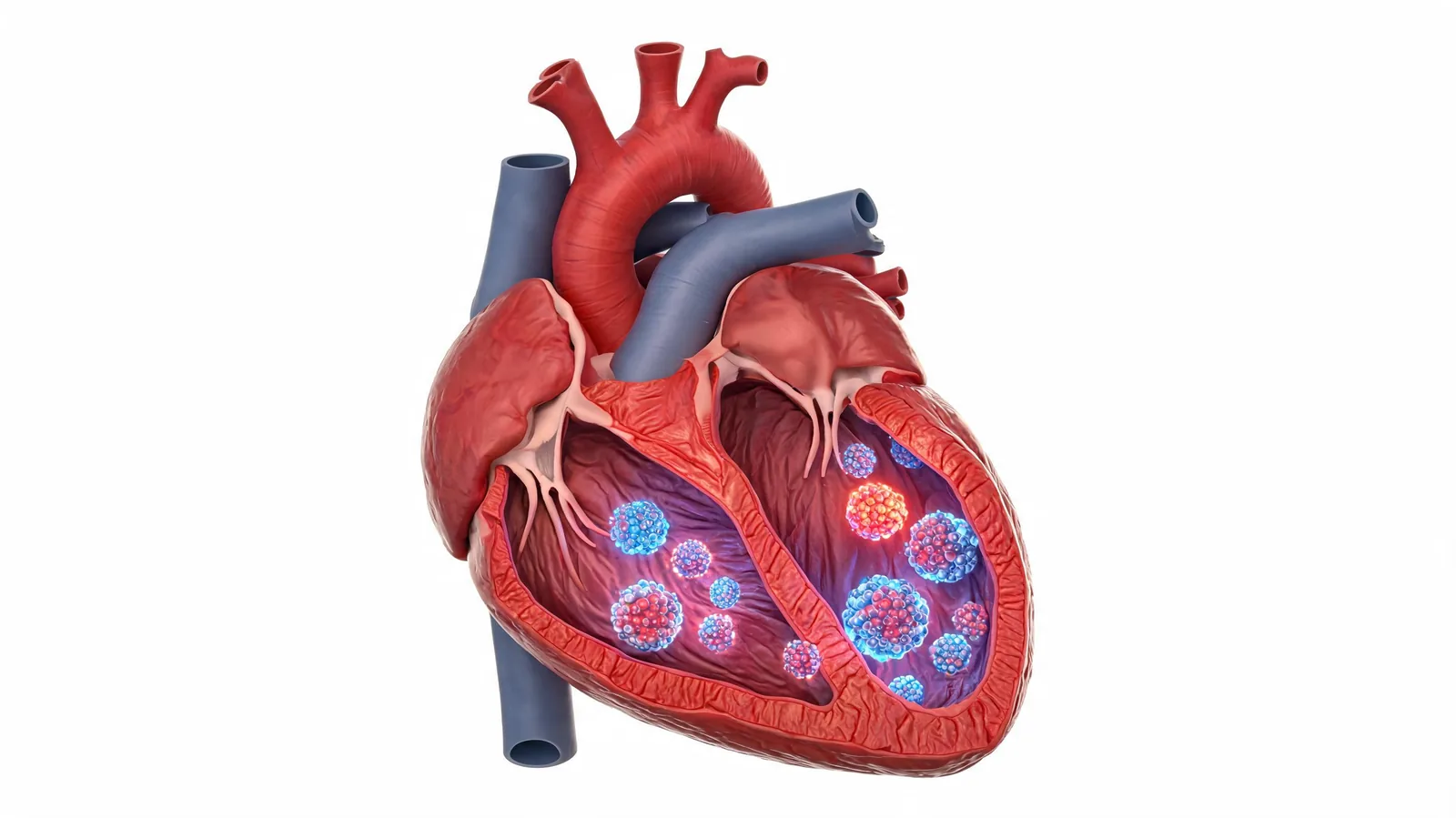
Heart failure stem cell therapy: Japan covers an iPS cardiomyocyte sheet, 52-week spheroid results and a catheter trial
In Japan an iPS cell-derived cardiomyocyte sheet became covered by insurance in September 2026 and the first insured transplant was performed. In the 52-week phase 1/2 results of HS-001 spheroids, LVEF was maintained or increased in all five high-dose patients.
Read more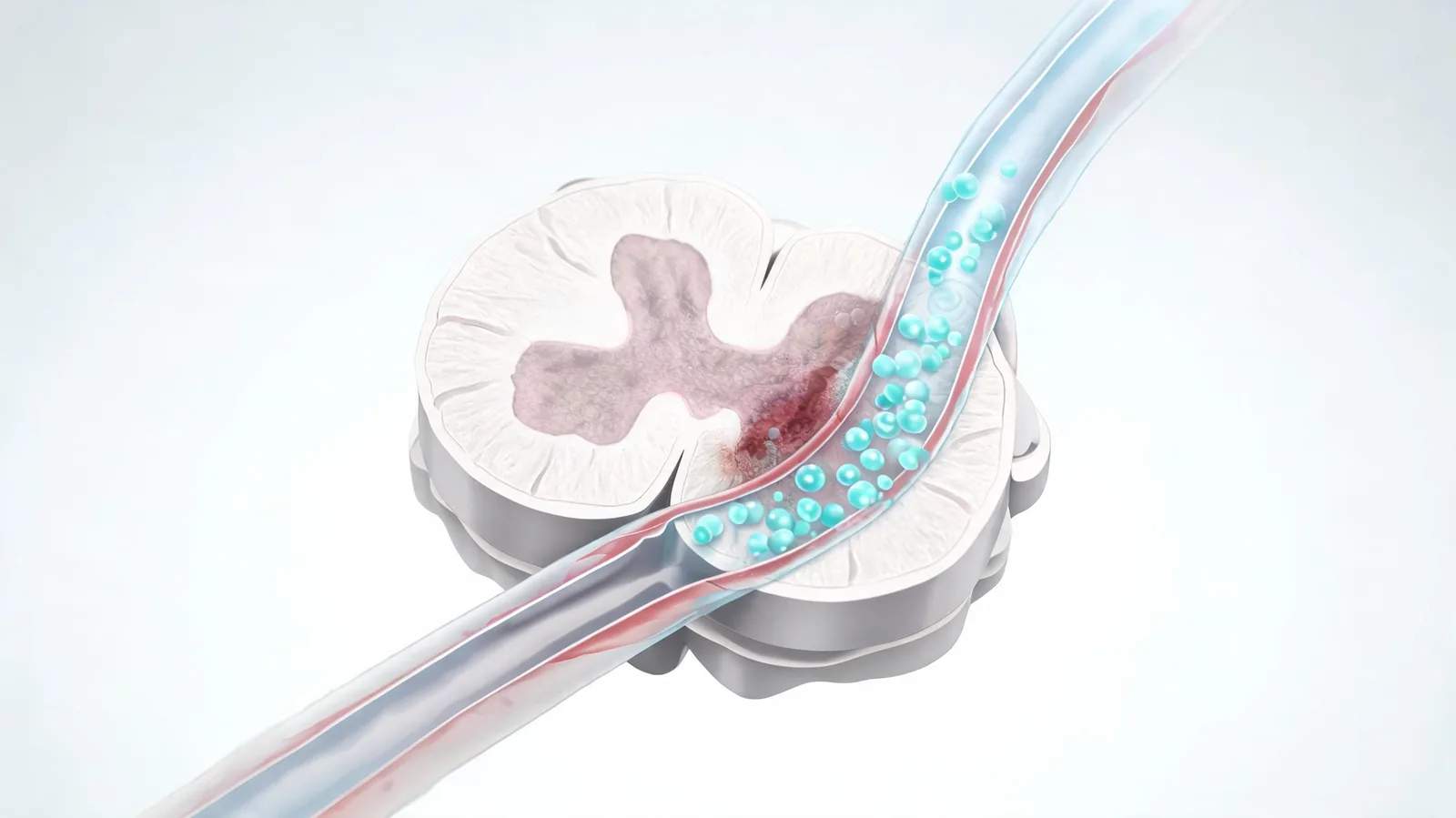
Bone Marrow Stem Cells for Spinal Cord Injury: Stemirac Endorsed for Full Approval in Japan, Plus Keio iPS 4-Year Data
Stemirac, made from the patient’s own bone marrow mesenchymal stem cells, is the first conditionally approved product in Japan to be endorsed for full approval. We also cover Keio University’s up-to-four-year iPS cell spinal cord injury results.
Read more
Parkinson's Stem Cell Therapy: Japan's iPS Product, Insurance and First Transplant
An iPS cell-derived product for Parkinson's disease was covered by Japanese public insurance in May 2026 and is preparing for its first transplant at Kyoto University Hospital. We look at eligibility, cost and research stage alongside three-year results presented in the US.
Read more
Cerebral Palsy and Baby Tooth Stem Cells (SHED): Nagoya Study and Trial
A Nagoya University team reported improved motor and learning function after giving dental pulp stem cells from baby teeth (SHED) to rats with chronic cerebral palsy, and a trial in children aged 6 to 11 is under way. We review what has been shown alongside recent trials abroad.
Read more
A timeline of stem cell regenerative medicine in Japan — from the discovery of iPS cells (2006) to Parkinson's trial results (2025)
How did Japan become a leading country in stem cell regenerative medicine? We trace 20 years from the discovery of iPS cells through regulation, product approvals and recent clinical trial results.
Read more
Ageing, chronic inflammation and stem cells — what randomised frailty trials measured
We look at 'inflammageing' — the persistent low-grade inflammation that comes with age — and the results of randomised studies that gave stem cells to frail older adults to target it.
Read more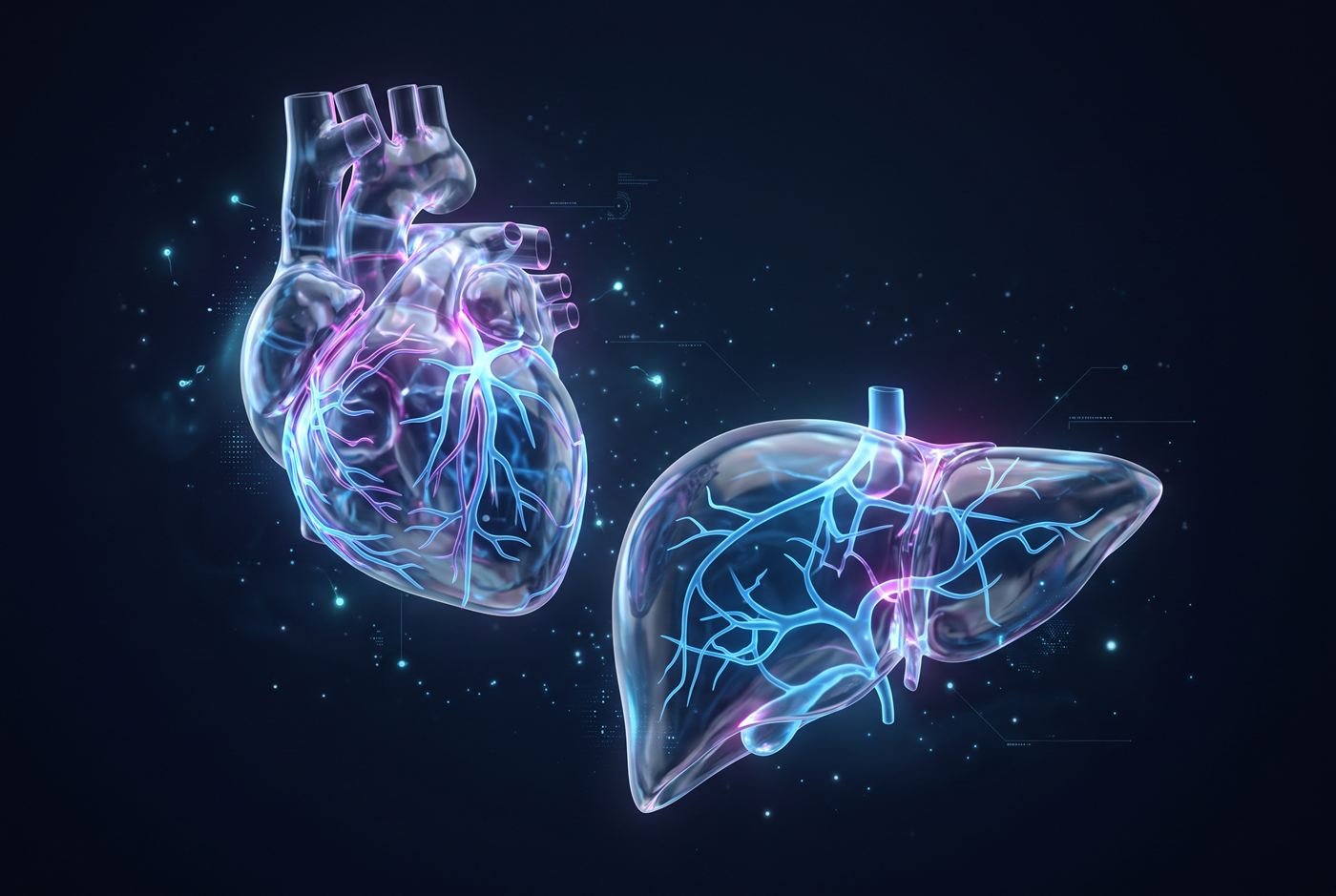
Autologous versus allogeneic stem cells — what's the difference? Lessons from the POSEIDON heart study and Yamaguchi University's cirrhosis research
What is the difference between 'autologous' and 'allogeneic', terms often seen in stem cell information? We look at a heart study that compared the two directly and Japanese cirrhosis research that moved from one to the other.
Read more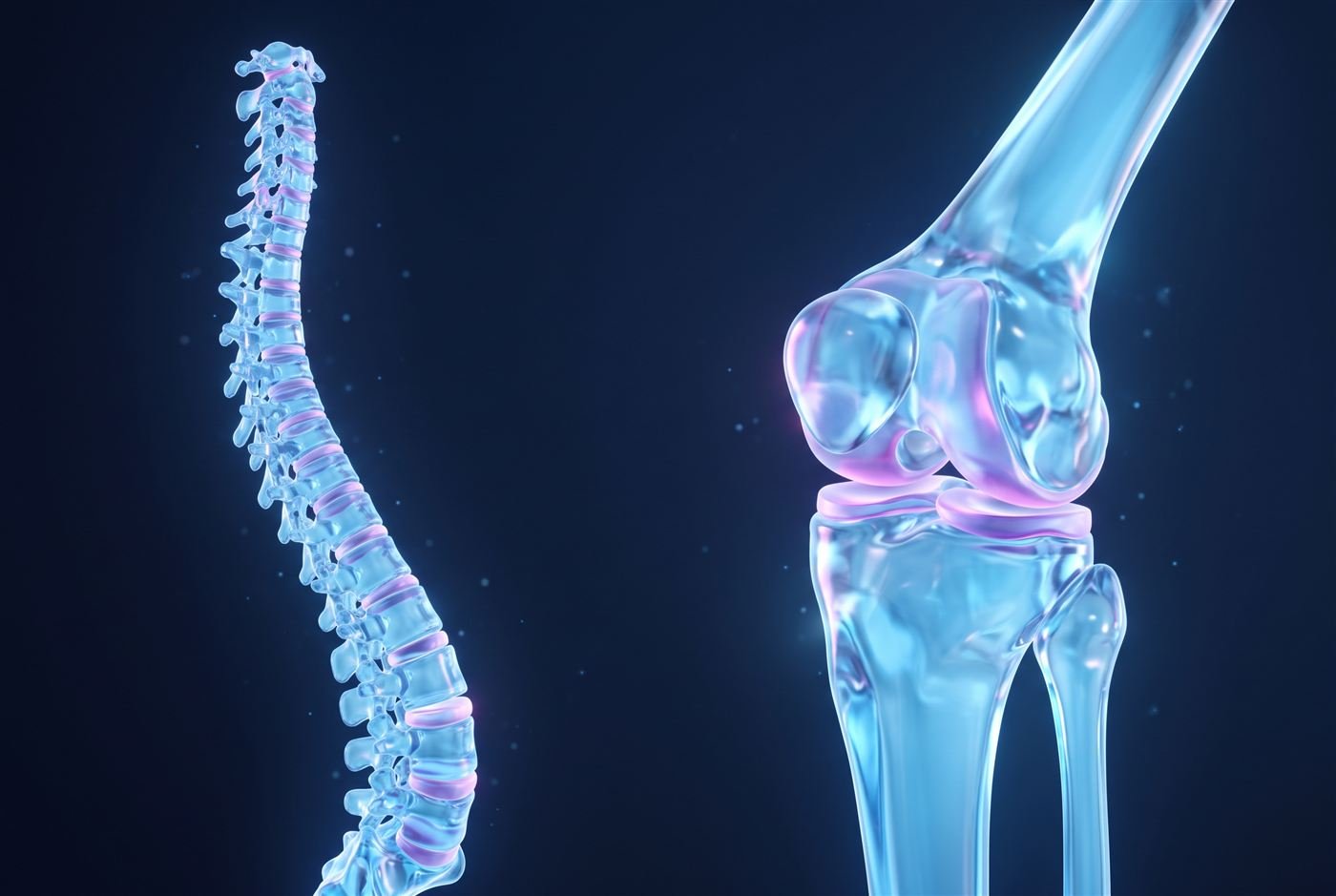
Two tracks of stem cell medicine in Japan — how the spinal cord injury 'approved product' differs from knee 'provision plans'
The same mesenchymal stem cells mean different things in Japan depending on the system they are provided under. We compare the spinal cord injury product with knee provision plans to explain the two tracks.
Read more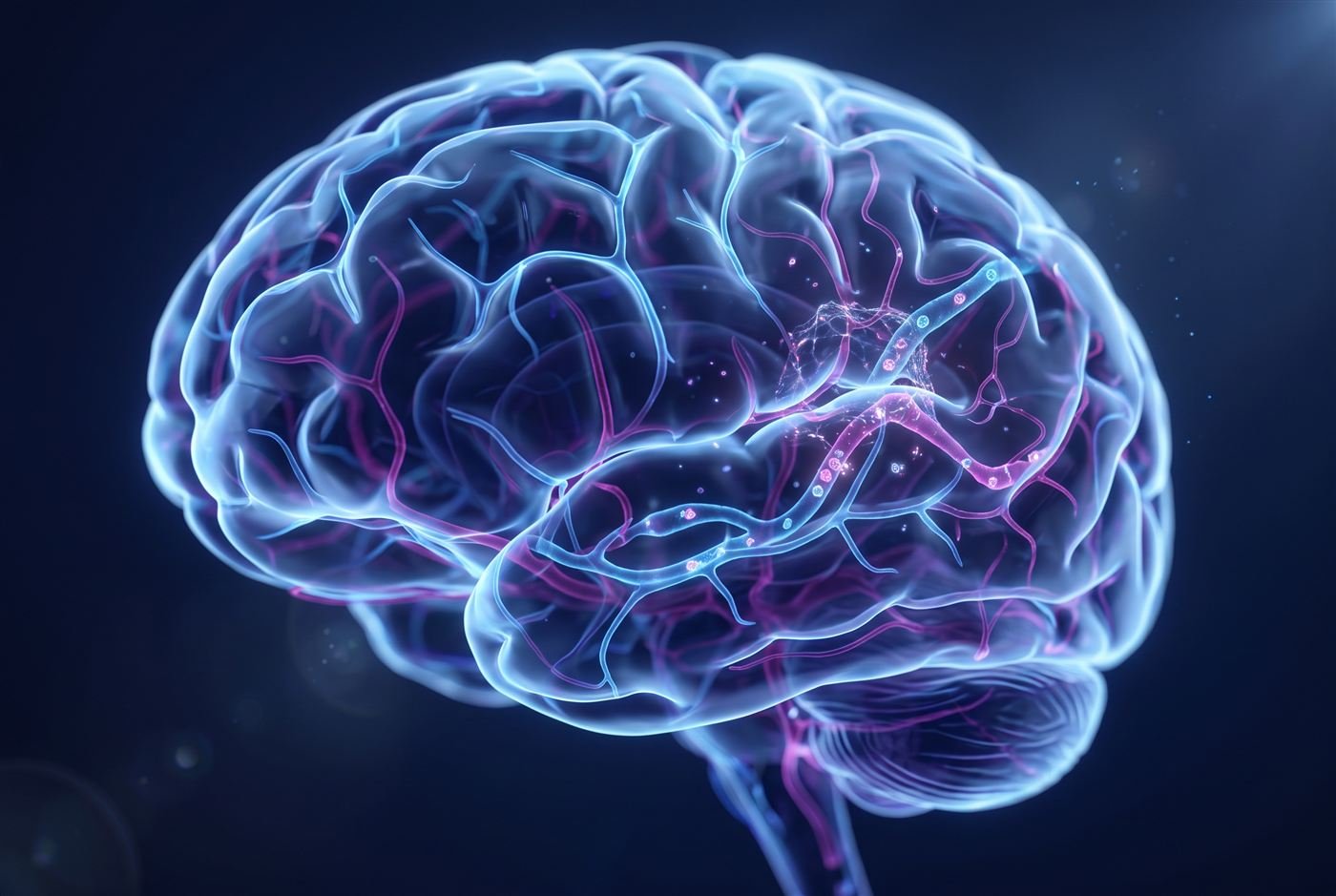
Sapporo Medical University's 'autologous serum' stem cells — from stroke research to spinal cord injury approval
Why did growing cells in the patient's own serum instead of bovine serum matter? We trace how Sapporo Medical University's stroke research led to approval for spinal cord injury, alongside international results.
Read moreHow to read stem cell trial results — phase I versus phase II through autism cord blood research
Same team, same condition — so why should phase I and phase II results be read differently? Five criteria for reading clinical trial results, using autism cord blood research as an example.
Read moreNo matching articles.
The stem cell content on this site is general information summarised from published papers and public-agency materials. It is not an advertisement for, or recommendation of, any medical institution or treatment. Please discuss the suitability and risks of any treatment with your own medical team.