The following is general information introducing research findings. Results reported in studies do not mean the same outcome for any individual, and most of these studies are small or early-stage.
Summary — Interest in stem cells is very high in women's health and ageing. In frailty, a University of Miami team reported, in a randomised, double-blind, placebo-controlled phase II study (2017) of intravenous allogeneic mesenchymal stem cells in older adults, improved six-minute walk distance and reduced blood inflammatory markers in one dose group. In female infertility, changes in hormone levels or endometrial thickness and pregnancies have been reported after stem cell administration in premature ovarian insufficiency and thin endometrium, but mostly in small early studies. This is also a field where the gap between research evidence and marketing claims is especially large.
Topics in this field
This field includes female infertility and frailty and ageing (anti-ageing).
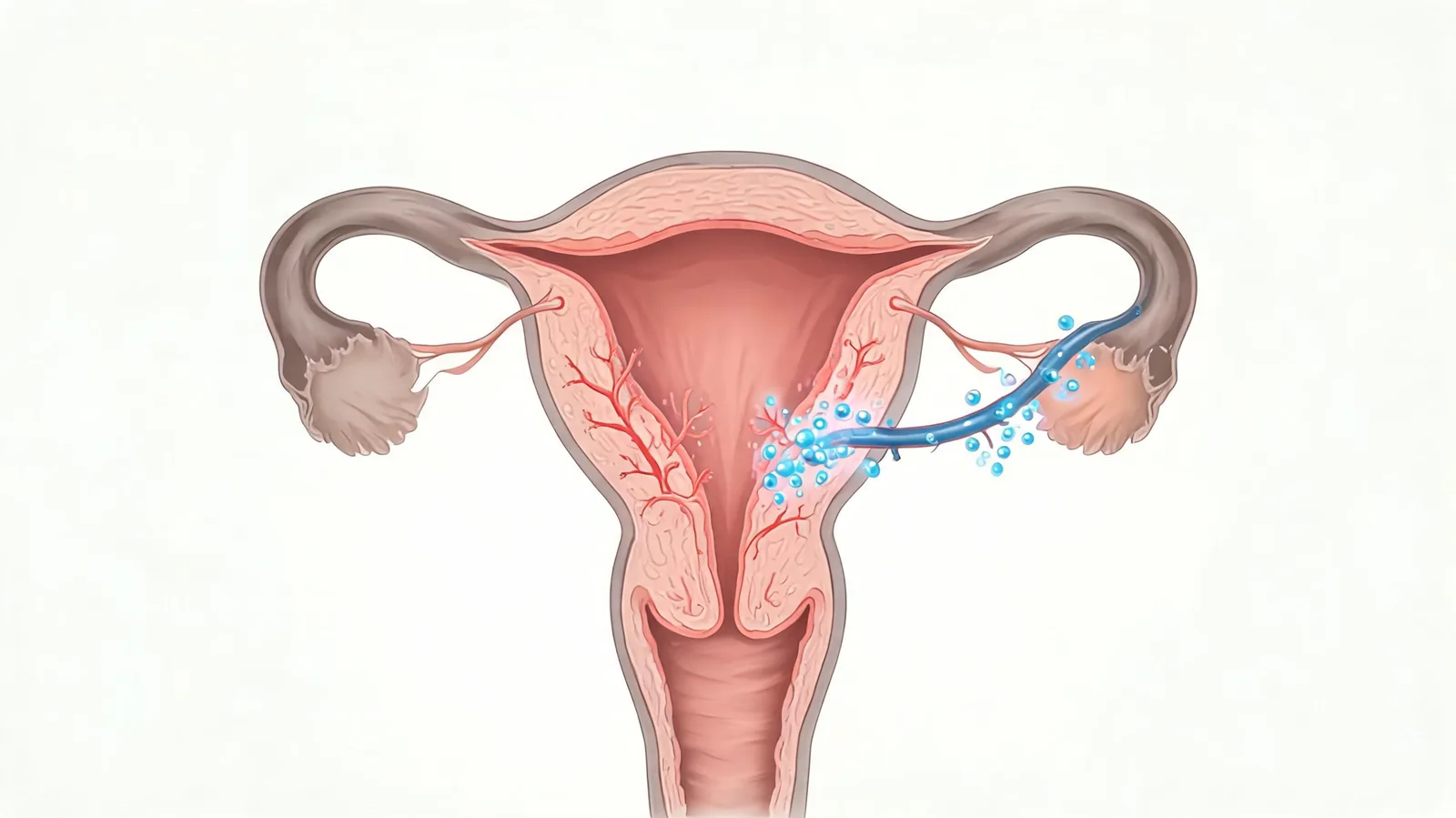
- Female infertility — premature ovarian insufficiency, in which ovarian function declines before 40, and thin endometrium and intrauterine adhesions, which make implantation difficult, are the main targets of stem cell research. Their causes vary and current options are limited, so interest in new approaches is high.
- Frailty and ageing — frailty, in which strength, activity, walking speed and weight decline together with age so that health deteriorates easily under minor stress, is the main research target. In Japan it is actively managed at community level under the term 'frailty' (フレイル).
Cells studied and hypotheses
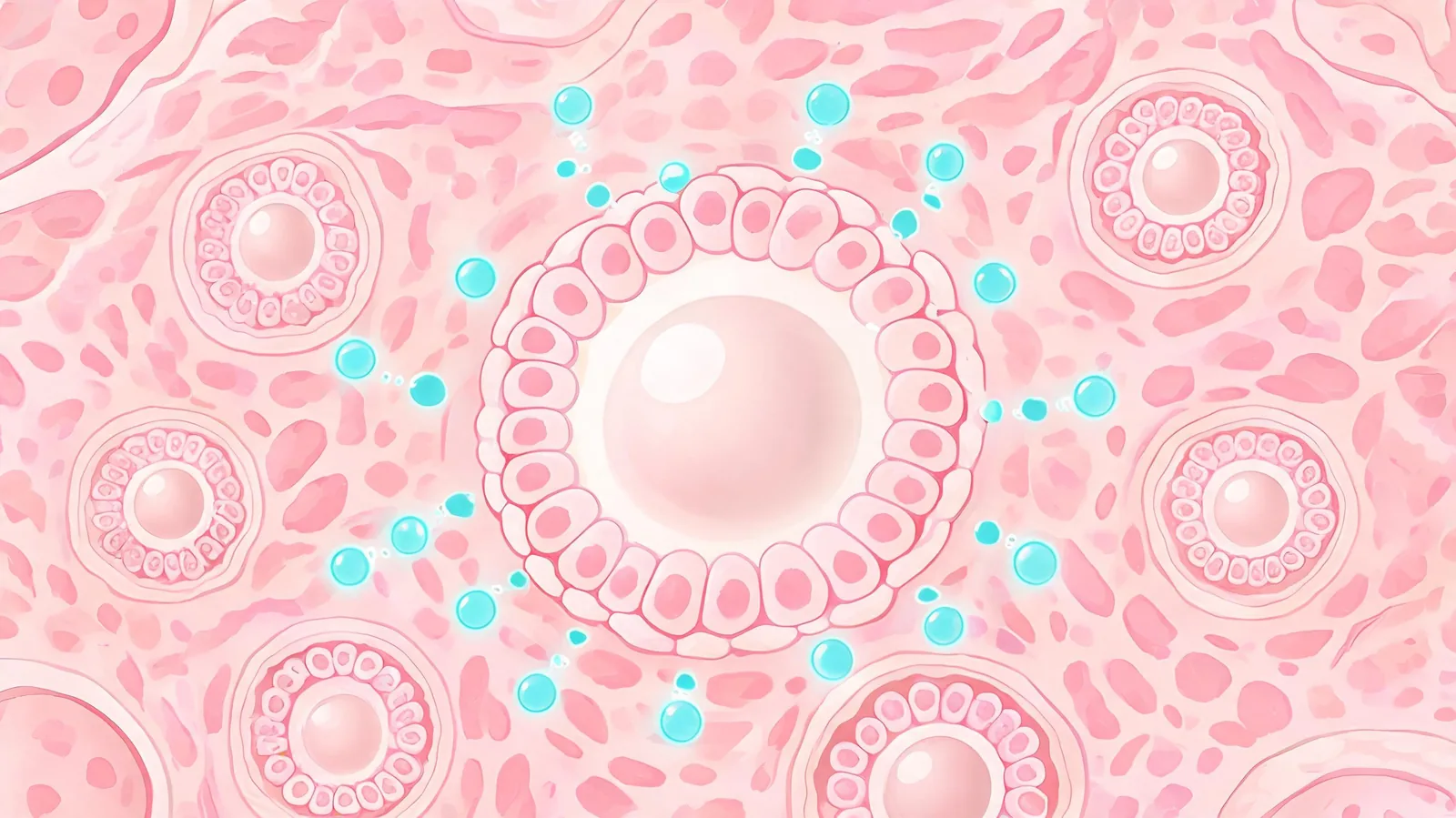
Infertility research gives the patient's own bone marrow cells or donor cord-derived mesenchymal stem cells directly into the ovary or uterus, or through blood vessels, based on the hypothesis that secreted growth factors might improve ovarian blood flow and support remaining follicles, or improve the regenerative environment of a damaged endometrium. Frailty research gives mesenchymal stem cells from young donors intravenously to test whether they can reduce the low-grade chronic inflammation that persists with age and improve physical function.
Key research results
- Frailty phase I study (University of Miami, 2017) — 15 frail older adults received intravenous allogeneic mesenchymal stem cells; safety was confirmed and improvements in six-minute walk distance and blood inflammatory markers (such as TNF-α) were reported.
- Frailty randomised, double-blind phase II study (University of Miami, 2017) — 30 people were randomised to two cell doses or placebo; in the 100-million-cell group, six-minute walk distance improved significantly more than with placebo and inflammatory markers fell.
- Female infertility — case reports and early studies describe resumed periods, improved hormone levels, thicker endometrium and pregnancies after stem cell administration in premature ovarian insufficiency and intrauterine adhesions. A difference in live birth rate has not been confirmed in randomised studies with control groups.
Reading 'anti-ageing' information
Frailty studies measured specific outcomes such as walking distance, physical function scores and blood markers. They did not show younger skin, longer life or reversal of ageing itself. A 2018 commentary in Nature highlighted the sale of unproven stem cell interventions in many countries, and the ISSCR and the U.S. Food and Drug Administration (FDA) urge caution about unapproved interventions. Information promoting pregnancy or 'rejuvenation' should always be checked against the population, size and measures of the underlying studies.
Topic pages
The topics below give details for female infertility and for frailty and ageing: overview, standard management, research approaches, reported results and how outcomes are measured.
Frequently asked questions
Q. Is there an approved stem cell treatment for premature ovarian insufficiency?
No stem cell product is currently approved for premature ovarian insufficiency or intrauterine adhesions. Reports so far are mostly case reports and small early studies.
Q. Do stem cells raise the chance of pregnancy?
Pregnancies have been reported in some cases, but a difference in live birth rate has not been confirmed in controlled studies. Many women also received other treatments such as IVF in the same period, making the effect of stem cells hard to judge separately.
Q. What has frailty research shown?
The University of Miami's randomised, double-blind study reported improved six-minute walk distance and reduced inflammatory markers in one dose group. With only 30 participants, larger studies are needed.
Q. What about stem cell interventions for skin beauty or 'rejuvenation'?
No randomised study has shown reversal of ageing itself or younger skin. Information for such purposes should always be checked against the underlying research.
Q. Where can information be checked?
In the references on each topic page and on public trial registries such as ClinicalTrials.gov and Japan's jRCT.
Japan's measures against frailty
Japan has actively pursued policies to detect and manage frailty early in response to population ageing. Local governments run frailty check-ups and exercise, nutrition and social participation programmes for residents, and health check-ups for older adults use questionnaires to check daily functioning and frailty risk. Separate from stem cell research, these prevention and management activities are established as the basic response to frailty.
How to look up clinical trial information
Ongoing and completed clinical trials can be checked on public registries. ClinicalTrials.gov, run by the U.S. National Library of Medicine, and jRCT, run by Japan's Ministry of Health, Labour and Welfare, publish each study's purpose, eligibility criteria, intervention, outcomes, institutions and status. Results are later published as journal papers, and the reference links at the bottom of this page lead to the original information. It is also worth knowing that interventions not publicly registered are difficult to verify from outside, in both design and results.
The above summarises results reported in published papers and public-agency materials. University and institute names are given to identify research sources, not to introduce or recommend any medical institution. Reported results do not mean the same effect for everyone, and the suitability of any treatment is decided by the medical team.
References
- Golpanian S, DiFede DL, Khan A, et al. Allogeneic human mesenchymal stem cell infusions for aging frailty. J Gerontol A Biol Sci Med Sci. 2017;72(11):1505-1512. View on PubMed
- Tompkins BA, DiFede DL, Khan A, et al. Allogeneic mesenchymal stem cells ameliorate aging frailty: a phase II randomized, double-blind, placebo-controlled clinical trial. J Gerontol A Biol Sci Med Sci. 2017;72(11):1513-1522. View on PubMed
- Sipp D, Robey PG, Turner L. Clear up this stem-cell mess. Nature. 2018;561(7724):455-457. View on PubMed
- International Society for Stem Cell Research (ISSCR). Guidelines for Stem Cell Research and Clinical Translation (2021). https://www.isscr.org/guidelines
- U.S. Food and Drug Administration. FDA Warns About Stem Cell Therapies (Consumer Update). https://www.fda.gov/consumers/consumer-updates/fda-warns-about-stem-cell-therapies