Stem Cell Medical Interpreting
We provide Korean↔Japanese interpreting at regenerative-medicine explanations and meetings in Japan. All medical judgements are made by the medical team.
Read more - Stem Cell Medical Interpreting
We introduce bone marrow stem cell research published by Japanese universities and research institutes, together with the original paper sources, and provide Korean–Japanese medical interpreting so that explanations given by medical teams in Japan can be understood accurately.
FTH is not a medical institution. It does not diagnose, treat or make medical judgements; its purpose is to provide information and on-site interpreting.
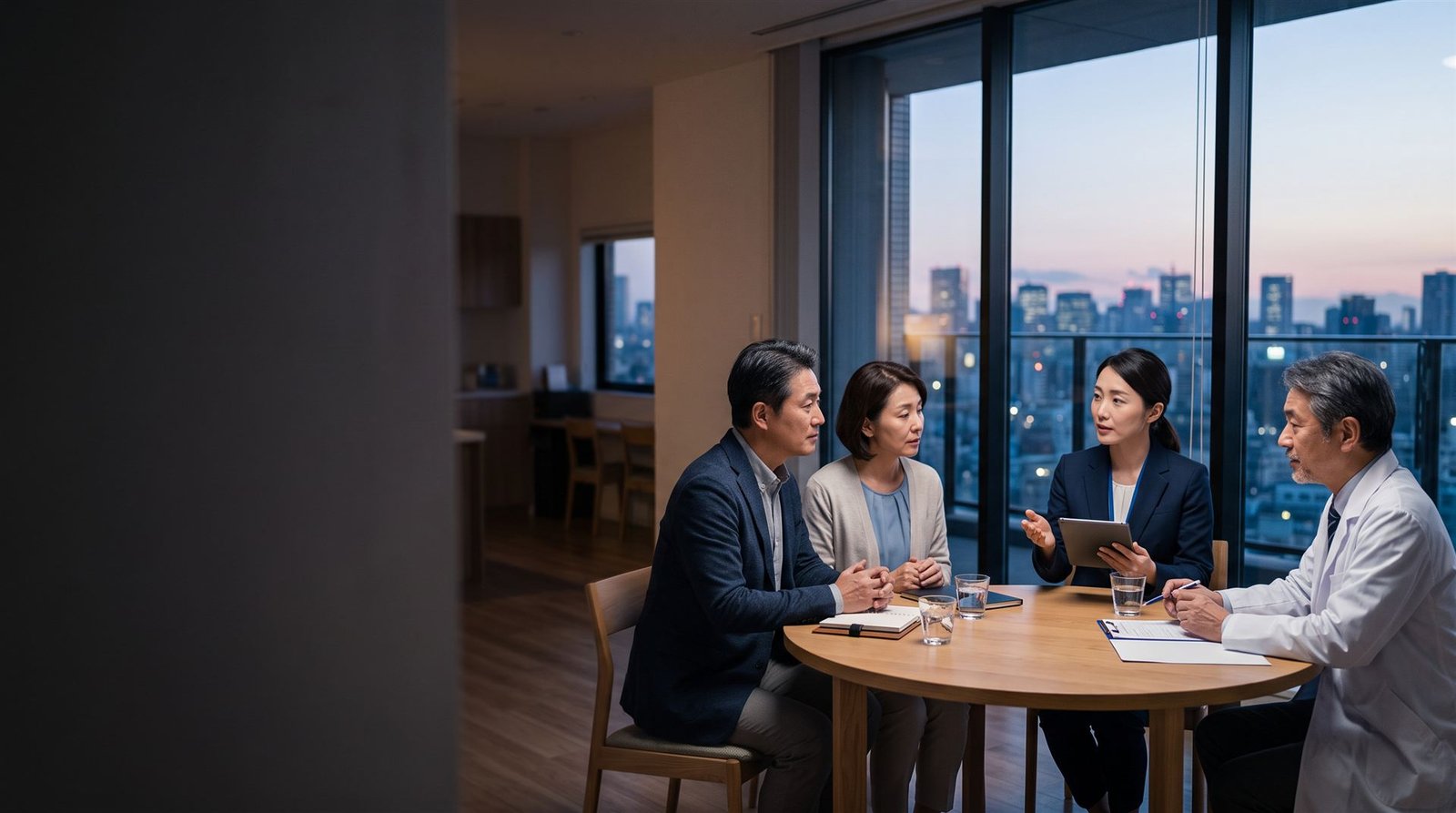
AI-generated image · not real people or institutions
We provide Korean↔Japanese interpreting at regenerative-medicine explanations and meetings in Japan. All medical judgements are made by the medical team.
Read more - Stem Cell Medical InterpretingWe translate medical records, test results, consent documents and stem cell research papers between Korean, Japanese and English.
Read more - Medical Document & Paper TranslationWe summarise research results from Japanese universities and institutes by condition — spinal cord injury, Parkinson's disease, stroke, cirrhosis and more — with paper sources.
Read more - Stem Cell Research ResultsWhich research results have been reported for which conditions, organised by field with Japanese universities and institutes and international papers as sources.
Design and results of stem cell clinical studies in autism spectrum disorder, developmental disorders, cerebral palsy and intellectual disability.
Read moreStem cell research in stroke, Parkinson's disease, dementia, ALS, multiple sclerosis and epilepsy.
Read moreJapan's conditional approval of a regenerative product for spinal cord injury, and stem cell research in the knee.
Read moreSize and results of stem cell clinical studies reported in heart failure, myocardial infarction, liver cirrhosis and diabetes.
Read moreRandomised trials in older adults with frailty, and the state of research in women's health.
Read moreRisk classes and procedures under Japan's regenerative medicine act, and research in Crohn's disease, chronic pain, depression and cancer treatment side effects.
Read more

Japan is where iPS cells were first reported and a country that has approved stem cell regenerative medical products. FTH conveys research results published by Japanese universities and institutes in Korean, exactly as stated in papers and public-agency materials.
We present research from Sapporo Medical University (spinal cord injury, stroke), Kyoto University (iPS cells for Parkinson's disease), Yamaguchi University (cirrhosis) and others, with paper sources.
We summarise products approved for acute GVHD (2015) and spinal cord injury (2018), and Japan's regenerative medicine system.
Every item cites papers or public-agency materials, and nothing is added that is not in the original.
We do not introduce or recommend any medical institution; the suitability of treatment is decided by the medical team.
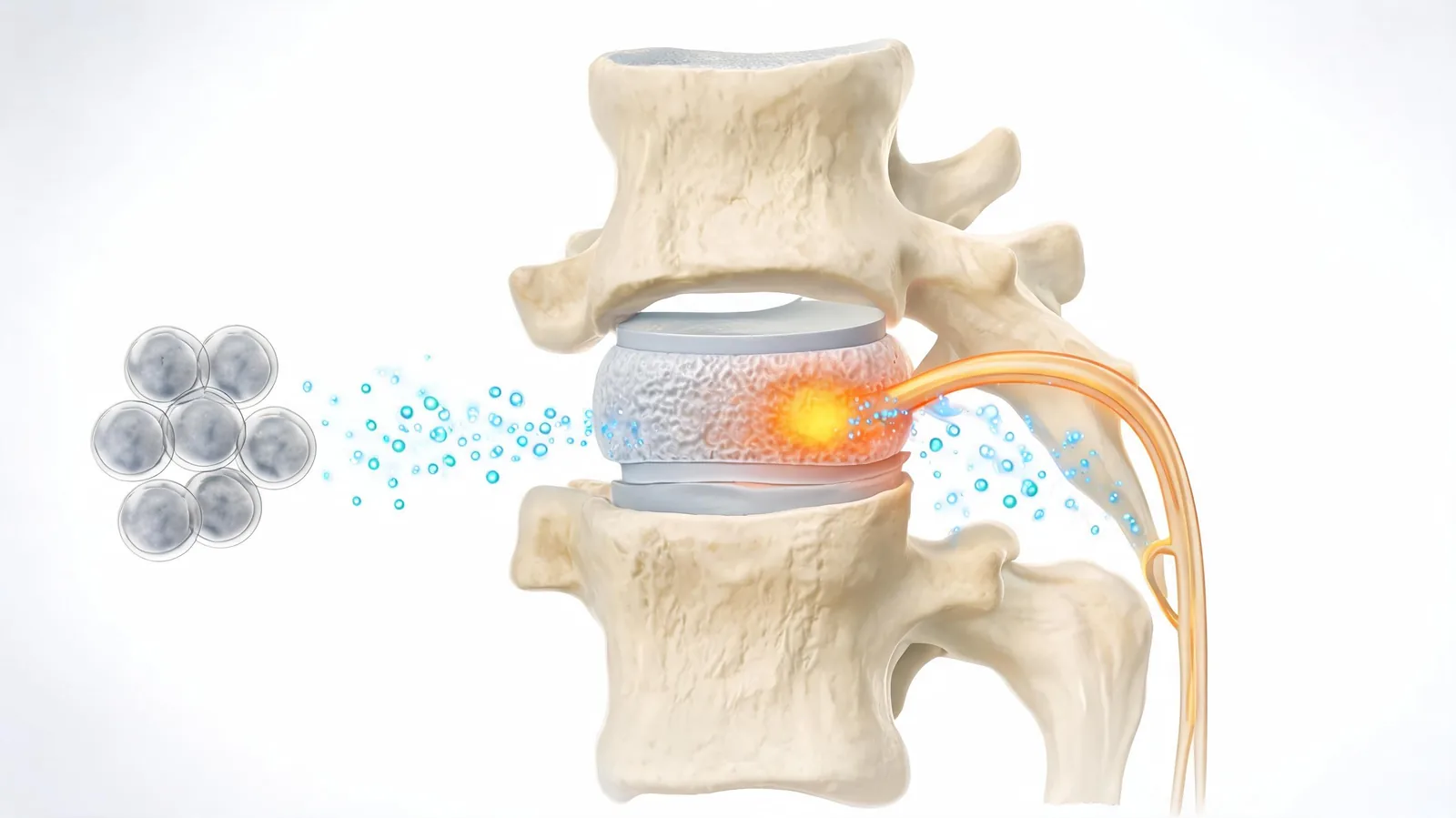
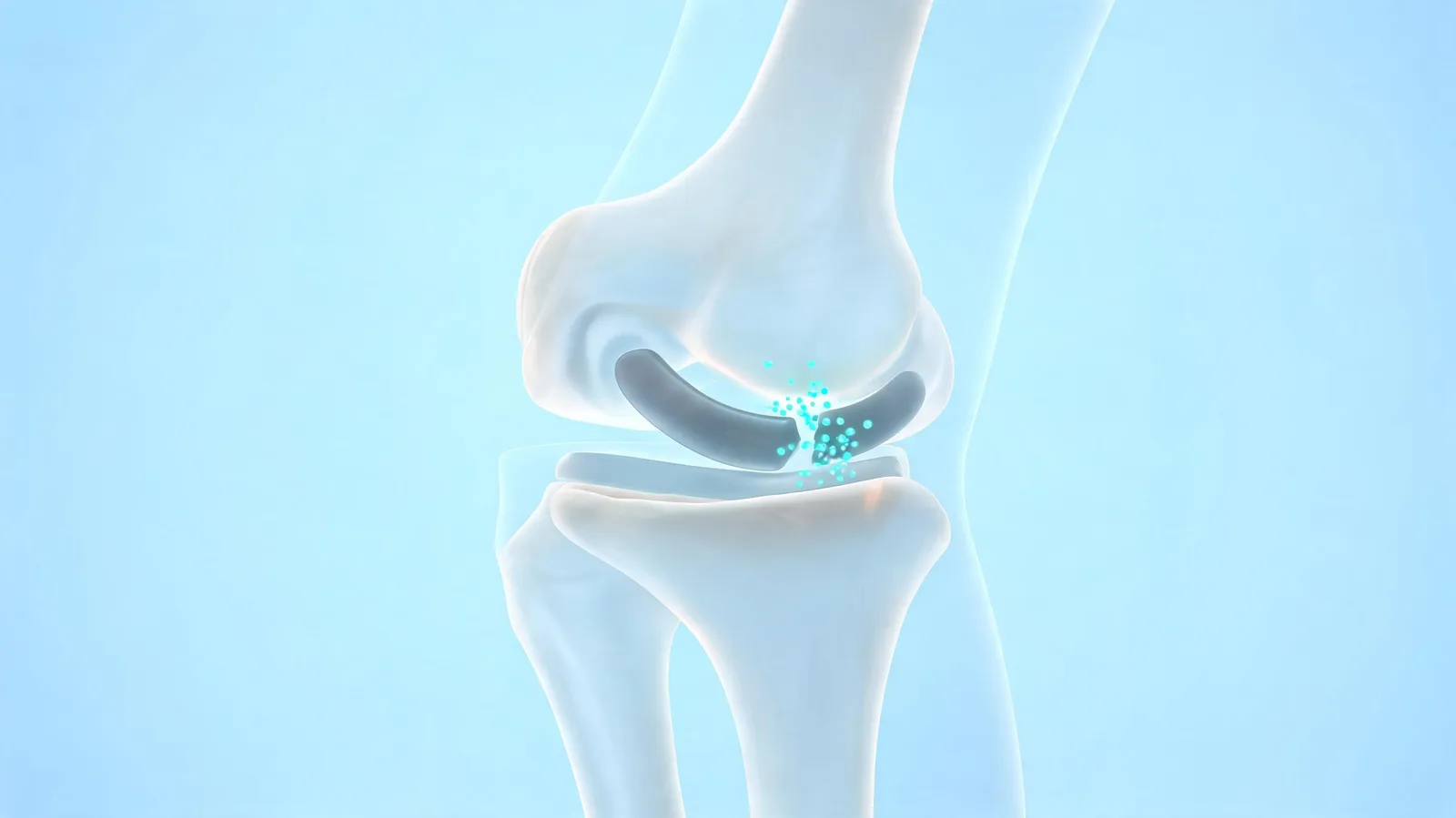
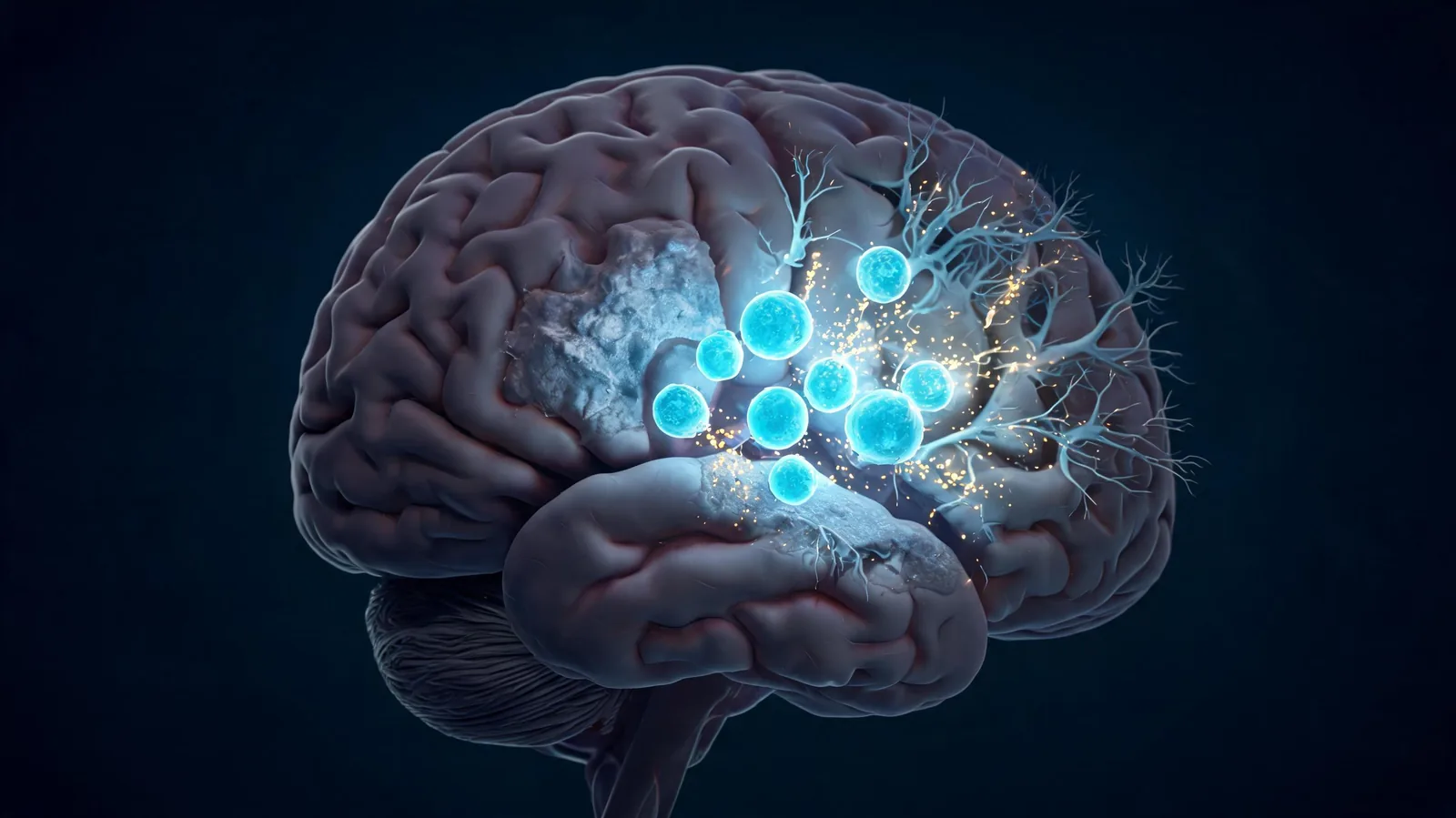
After a single injection of stem cell exosomes, 90.9% of 76 people with neck or low back disc pain reported meaningful relief at 2 weeks, and 73.2% at 2 years. In a 10-person study of Ehlers-Danlos syndrome with persistent joint pain, 6 improved across several symptoms after bone marrow stem cell secretome.
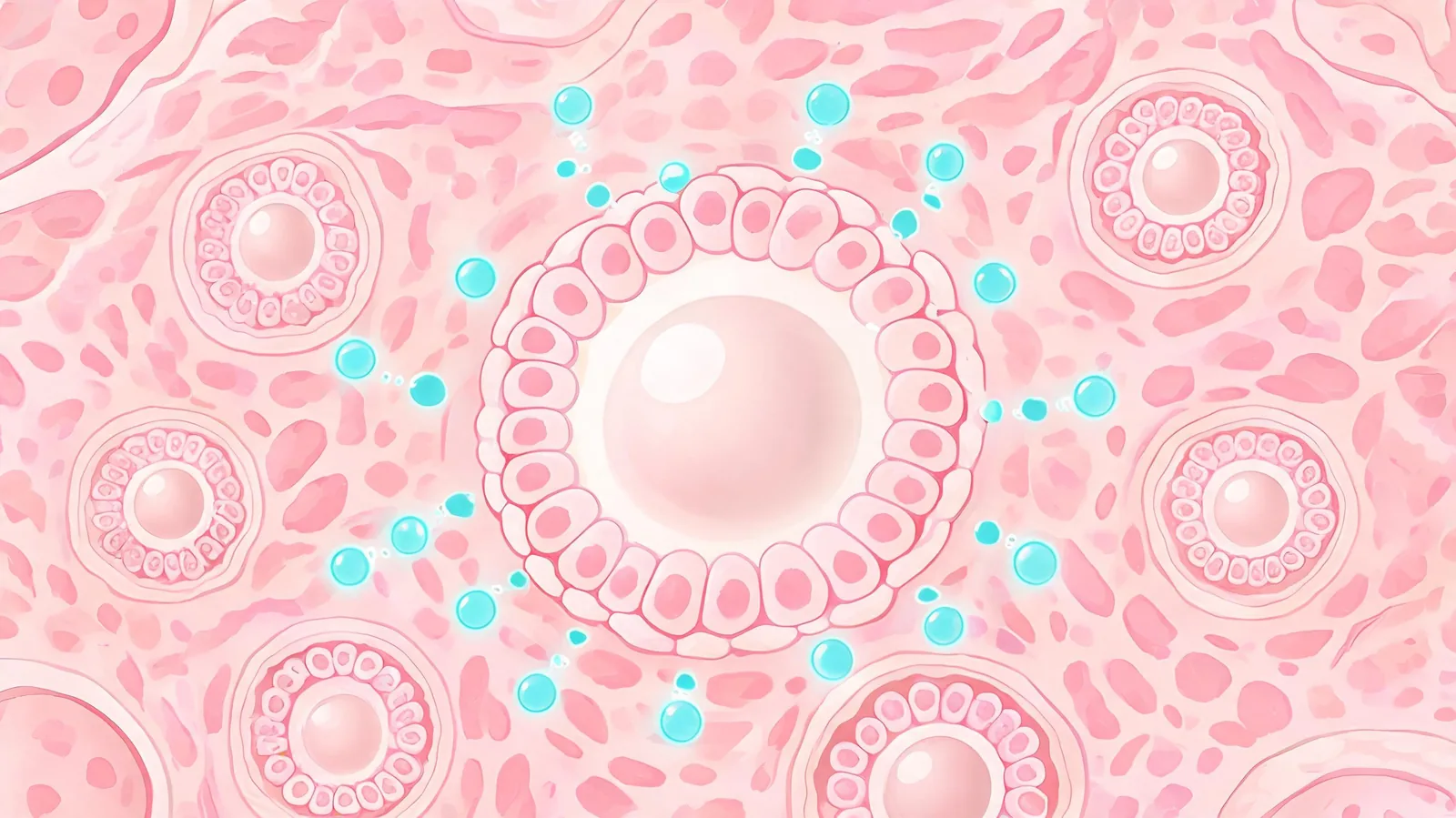
Read moreIn a randomized trial of 32 women with diminished ovarian reserve, immature eggs cultured with autologous exosomes matured at 63.63% versus 11.53% in standard culture. In a study of 29 women given fat-derived stem cells into the ovaries, AMH rose, and a larger rise was linked to a higher chance of obtaining eggs.
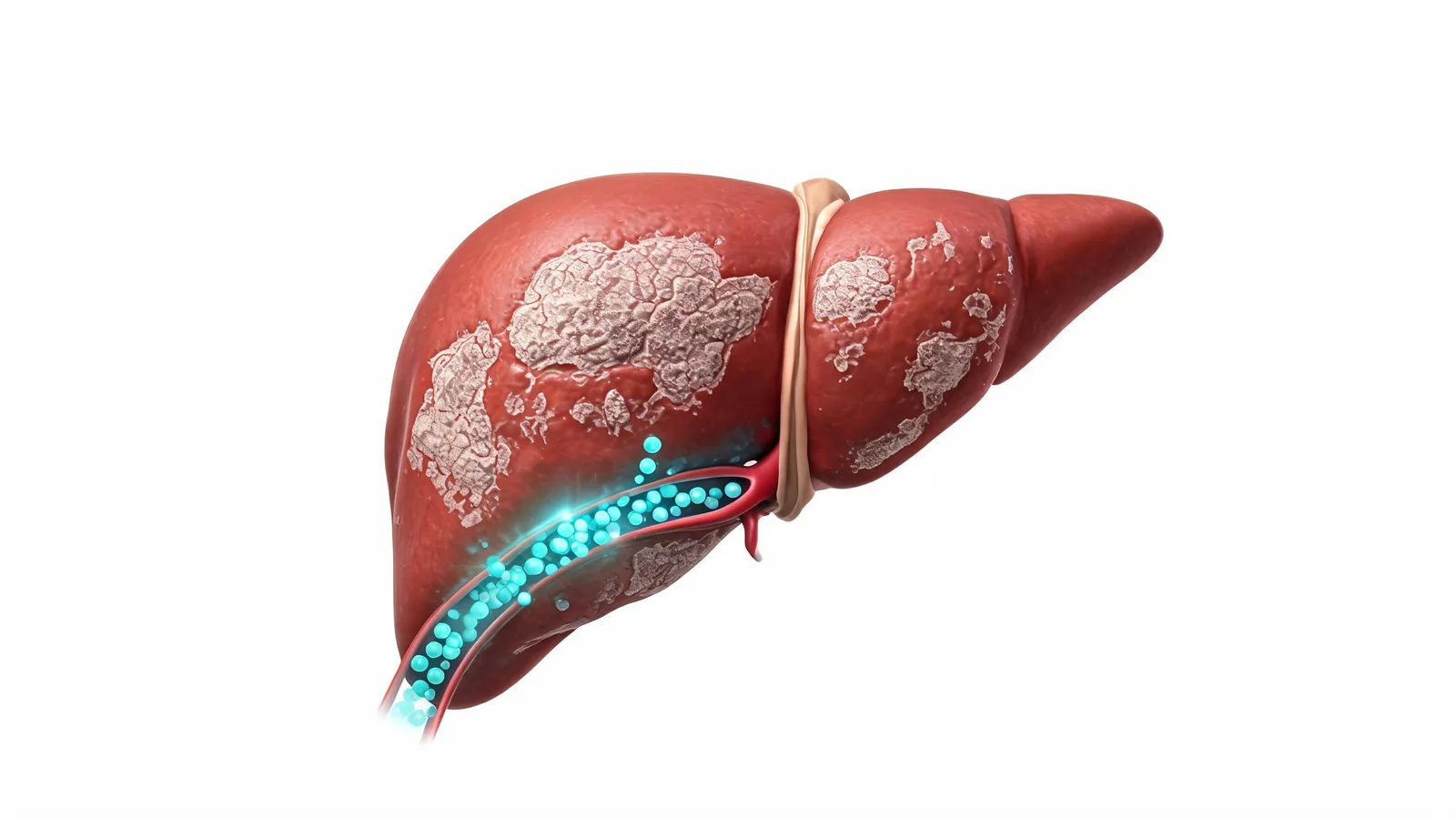
Read moreIn a phase 1 trial, umbilical cord-derived mesenchymal stem cells infused into the hepatic artery were followed by higher albumin and better quality of life. Edinburgh's macrophage therapy was reported to raise four-year transplant-free survival to 70%.
Read more313 Central-ro, Yeonsu-gu, Incheon 22006, Republic of Korea (Songdo-dong, Songdo C-Walk In Terrace Halla)
FTH is not a medical institution but a company providing stem cell research information and translation and interpreting services. We share general research information based on published academic sources; we do not diagnose, treat or make medical judgements, and our purpose is to provide information and on-site interpreting.