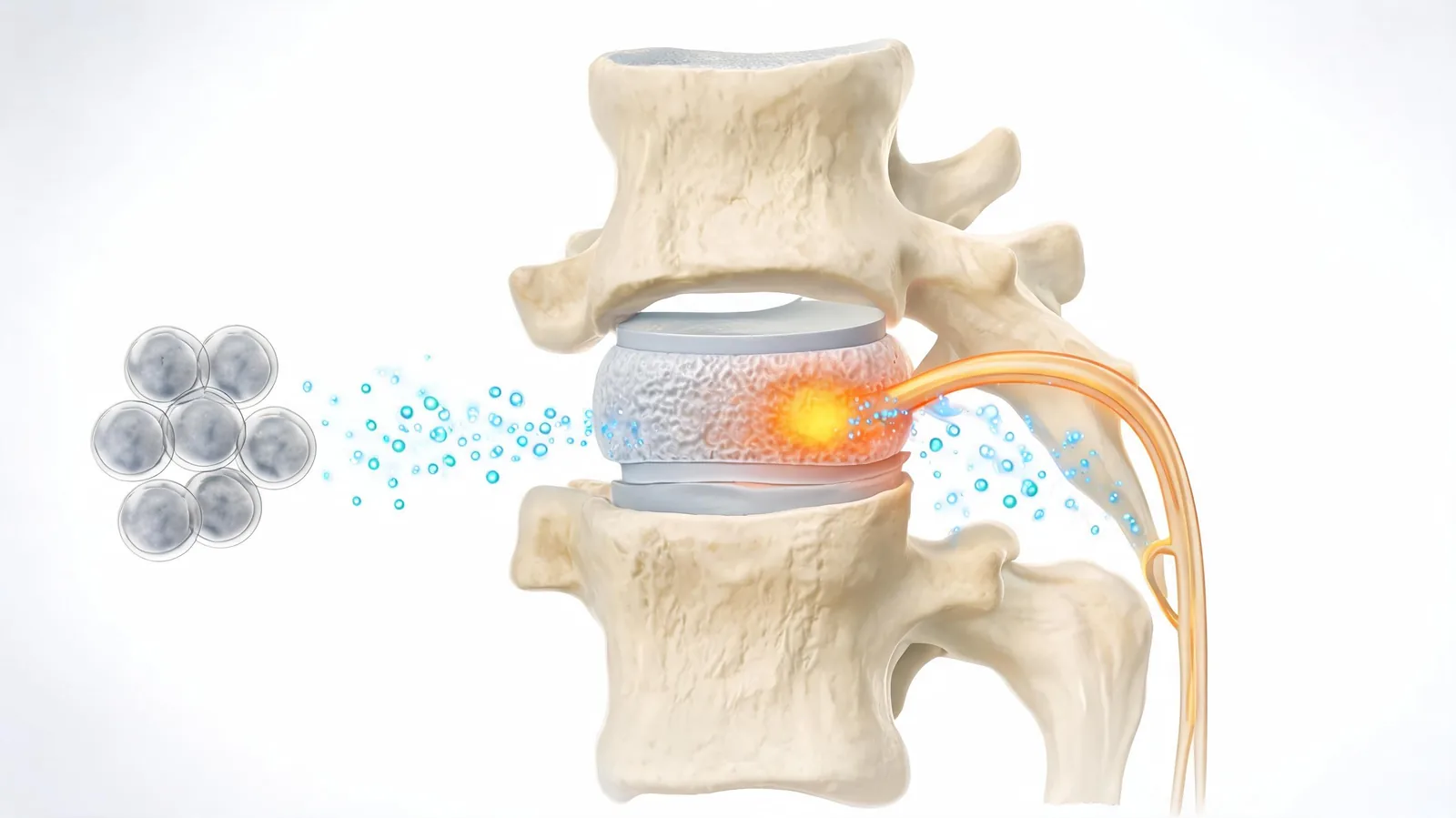
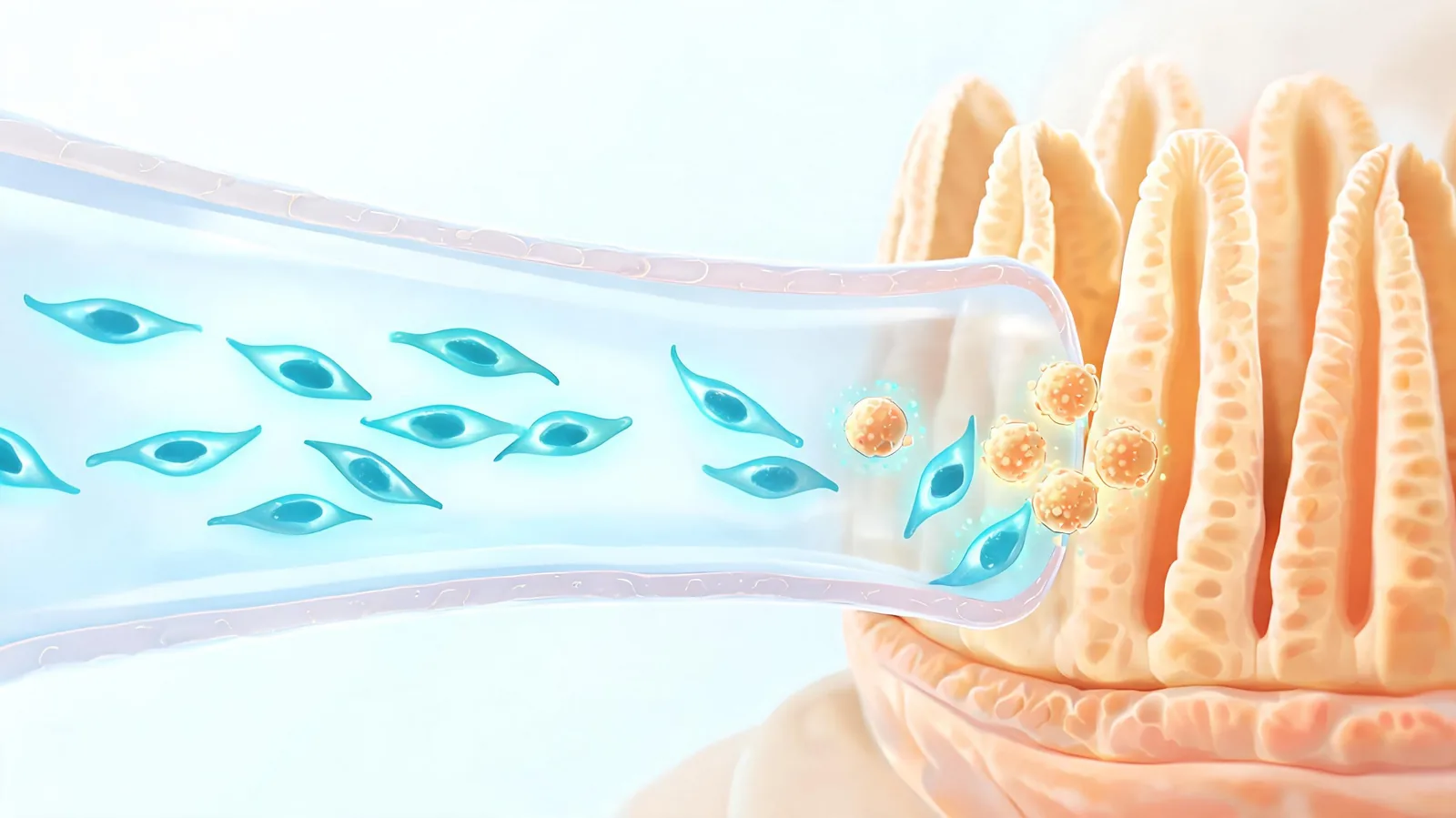
The following is general information introducing research findings. Results reported in studies do not mean the same outcome for any individual, and most of these studies are small or early-stage.
Summary — Stem cell research in depression is still exploratory. As evidence grows that some depression is linked to inflammatory responses in the body and brain, some researchers are interested in mesenchymal stem cells, which modulate inflammation, but the evidence is mainly from animal studies and hypotheses. No stem cell treatment has been shown to be effective in people, while several standard treatments of proven effectiveness exist for depression.
What is depression?
Depression (major depressive disorder) is a condition in which low mood or loss of interest and pleasure persists nearly every day for at least two weeks, together with changes in sleep and appetite, fatigue, poor concentration, feelings of worthlessness or guilt, and thoughts of death, interfering with daily life. It is common, can affect anyone, and often improves with treatment. Untreated, it may last a long time or recur and affects work, relationships and physical health.
No single cause explains it; genetic predisposition, changes in brain neurotransmitters and circuits, changes in stress hormone systems, life events and social environment are thought to act together.
Current standard treatment
Several treatments of proven effectiveness exist. Antidepressant medication and psychotherapies such as cognitive behavioural therapy are central, and combining them is often more effective. For treatment-resistant depression that does not respond to several medicines, combination and augmentation strategies, repetitive transcranial magnetic stimulation (rTMS), electroconvulsive therapy (ECT) and, in some countries, approved esketamine nasal spray are used. Regular exercise, sleep management and social support also aid recovery.
Inflammation and depression: the research background
Over the past two decades, studies have accumulated showing that some people with depression have elevated blood markers of inflammation (such as C-reactive protein and interleukin-6). Other studies suggest that inflammatory substances can affect neurotransmitter metabolism and neuroplasticity in the brain. Based on this 'inflammation hypothesis', researchers are studying whether reducing inflammation could help some patients, particularly those with high inflammatory markers.
Directions of stem cell research
Because mesenchymal stem cells secrete factors that modulate immune responses and inflammation, they attract interest as an extension of the inflammation hypothesis. In animal models, changes in depression-like behaviour and inflammatory markers have been reported after giving mesenchymal stem cells or factors they secrete (such as exosomes). Clinical studies in people, however, are very limited — mostly mood measures examined alongside research in other conditions, or small early studies.
Where things stand
There is no stem cell treatment with confirmed effectiveness for depression. Depression is known for large placebo effects — even in antidepressant trials the placebo group often improves considerably — and it can also improve or worsen naturally over time. Reports of 'improvement' without a control group therefore cannot establish a stem cell effect. A review of the clinical use of mesenchymal stromal cells also names clarifying mechanisms and measuring potency as challenges for the whole field.
Safety and points to note
Delaying appropriate treatment for depression can deepen symptoms and, in severe cases, raise the risk of suicide. It is important not to postpone treatment of proven effectiveness in favour of unproven interventions. The ISSCR and the U.S. Food and Drug Administration (FDA) urge caution about unapproved stem cell interventions.
Open questions
For cell therapy research in depression to be meaningful, it would first need to define groups in whom an effect is theoretically plausible, such as patients with high inflammatory markers, and test it in placebo-controlled randomised studies. For now, anyone with symptoms of depression should first consult a psychiatrist and receive treatment of proven effectiveness.
How results are measured in depression research
Depression studies mainly use clinician-rated scales based on interviews. The best known are the Hamilton Depression Rating Scale (HAM-D) and the Montgomery–Åsberg Depression Rating Scale (MADRS), which add up scores for items such as low mood, loss of interest, sleep, appetite, concentration and suicidal thoughts to express severity. Self-report questionnaires such as the PHQ-9 are also used.
Treatment effects are usually judged by two criteria: a 'response' when the score falls by 50% or more from baseline, and 'remission' when the score falls close to the normal range. Because a considerable proportion of placebo groups often respond in clinical trials, the effect of a new treatment must always be judged by the difference from placebo. Depression that does not respond to two or more antidepressants used at adequate doses for adequate periods is generally called treatment-resistant depression, and new treatment studies often target this group. Studies testing the inflammation hypothesis also measure blood inflammatory markers to see whether effects differ in patients with high levels.
How to look up clinical trial information
Ongoing and completed clinical trials can be checked on public registries. ClinicalTrials.gov, run by the U.S. National Library of Medicine, and jRCT, run by Japan's Ministry of Health, Labour and Welfare, publish each study's purpose, eligibility criteria, intervention, outcomes, institutions and status. Results are later published as journal papers, and the reference links at the bottom of this page lead to the original information. It is also worth knowing that interventions not publicly registered are difficult to verify from outside, in both design and results.
The above summarises results reported in published papers and public-agency materials. University and institute names are given to identify research sources, not to introduce or recommend any medical institution. Reported results do not mean the same effect for everyone, and the suitability of any treatment is decided by the medical team.
Regulation & Other (Crohn's, Pain, etc.) →
References
- Galipeau J, Sensébé L. Mesenchymal stromal cells: clinical challenges and therapeutic opportunities. Cell Stem Cell. 2018;22(6):824-833. View on PubMed
- International Society for Stem Cell Research (ISSCR). Guidelines for Stem Cell Research and Clinical Translation (2021). https://www.isscr.org/guidelines
- U.S. Food and Drug Administration. FDA Warns About Stem Cell Therapies (Consumer Update). https://www.fda.gov/consumers/consumer-updates/fda-warns-about-stem-cell-therapies
FTH Co., Ltd. (FTH) is not a medical institution. We provide overseas medical information guidance and translation and interpretation support for medical materials, and does not provide medical consultation, diagnosis, treatment or medical judgements.