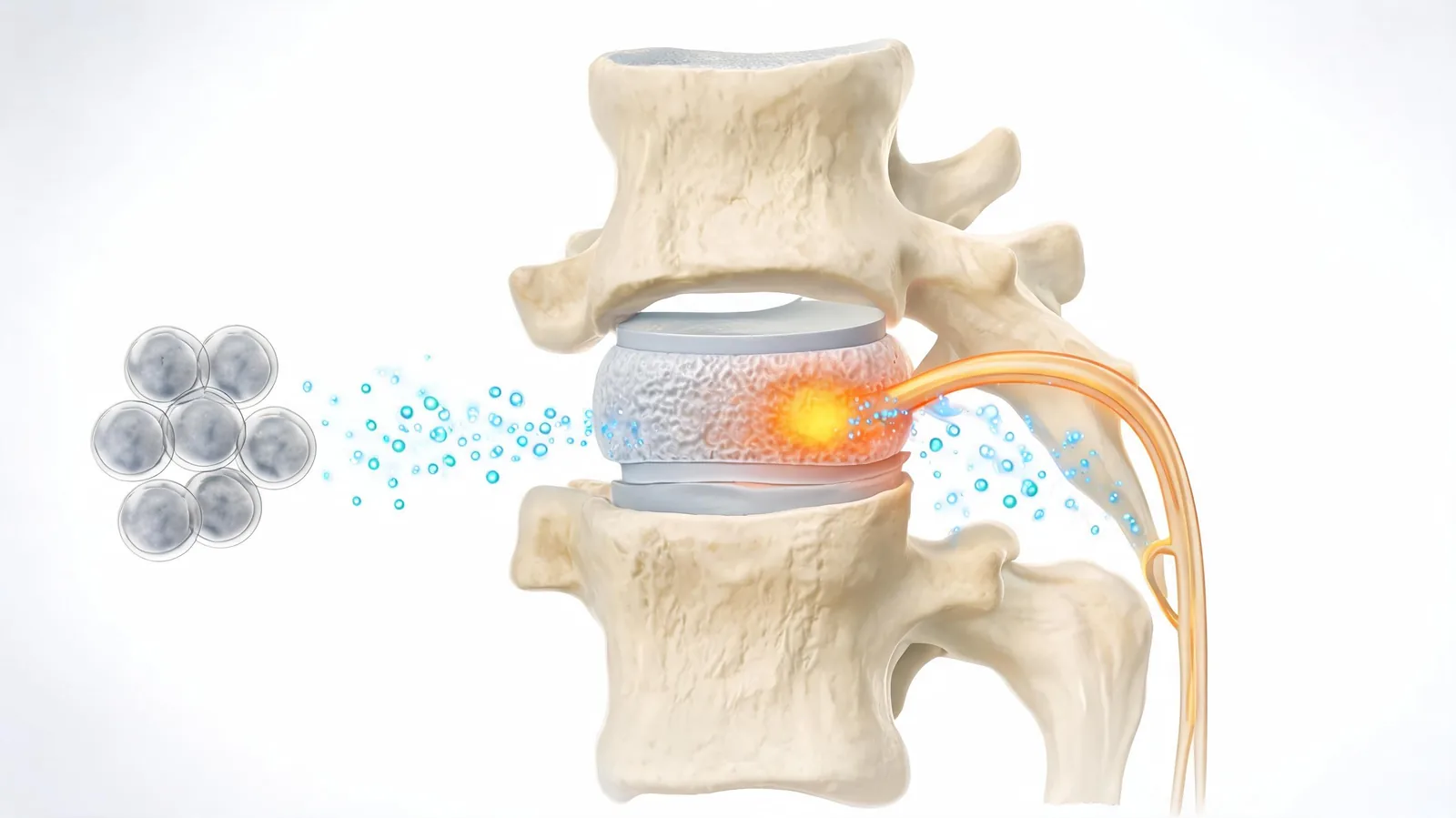
The following is general information introducing research findings. Results reported in studies do not mean the same outcome for any individual, and most of these studies are small or early-stage.
Summary — Among side effects arising during cancer treatment, the area where stem cell research is most advanced is acute graft-versus-host disease (GVHD) after haematopoietic stem cell transplantation. A European multicentre phase II study (2008) of patients with severe, steroid-refractory acute GVHD reported responses in many patients after mesenchymal stem cell administration, and in Japan an allogeneic mesenchymal stem cell product was approved for acute GVHD in 2015. In the United States, a product for steroid-refractory acute GVHD in children was approved in 2024. A randomised, placebo-controlled study has also been reported in dry mouth after radiotherapy for head and neck cancer. This content is not about treating cancer itself.
An important distinction
This page covers research on side effects and complications arising during cancer treatment. It does not mean that stem cells treat cancer itself. Haematopoietic stem cell transplantation used in blood cancers such as leukaemia, lymphoma and multiple myeloma is a standard treatment established for decades and is different from the mesenchymal stem cell research discussed here. In fact, GVHD below is a complication of that transplantation.
What is graft-versus-host disease (GVHD)?
After receiving blood stem cells from another person (a donor), the donor's immune cells that develop from the graft may recognise the patient's body as 'foreign' and attack it — this is graft-versus-host disease. Acute GVHD mainly appears in the first months after transplantation as skin rash, diarrhoea and bowel damage, and abnormal liver function, and can be life-threatening when severe. Steroids are the first-line treatment, but many patients do not respond adequately (steroid-refractory), with a poor outlook, so new treatments were needed.
Why mesenchymal stem cells?
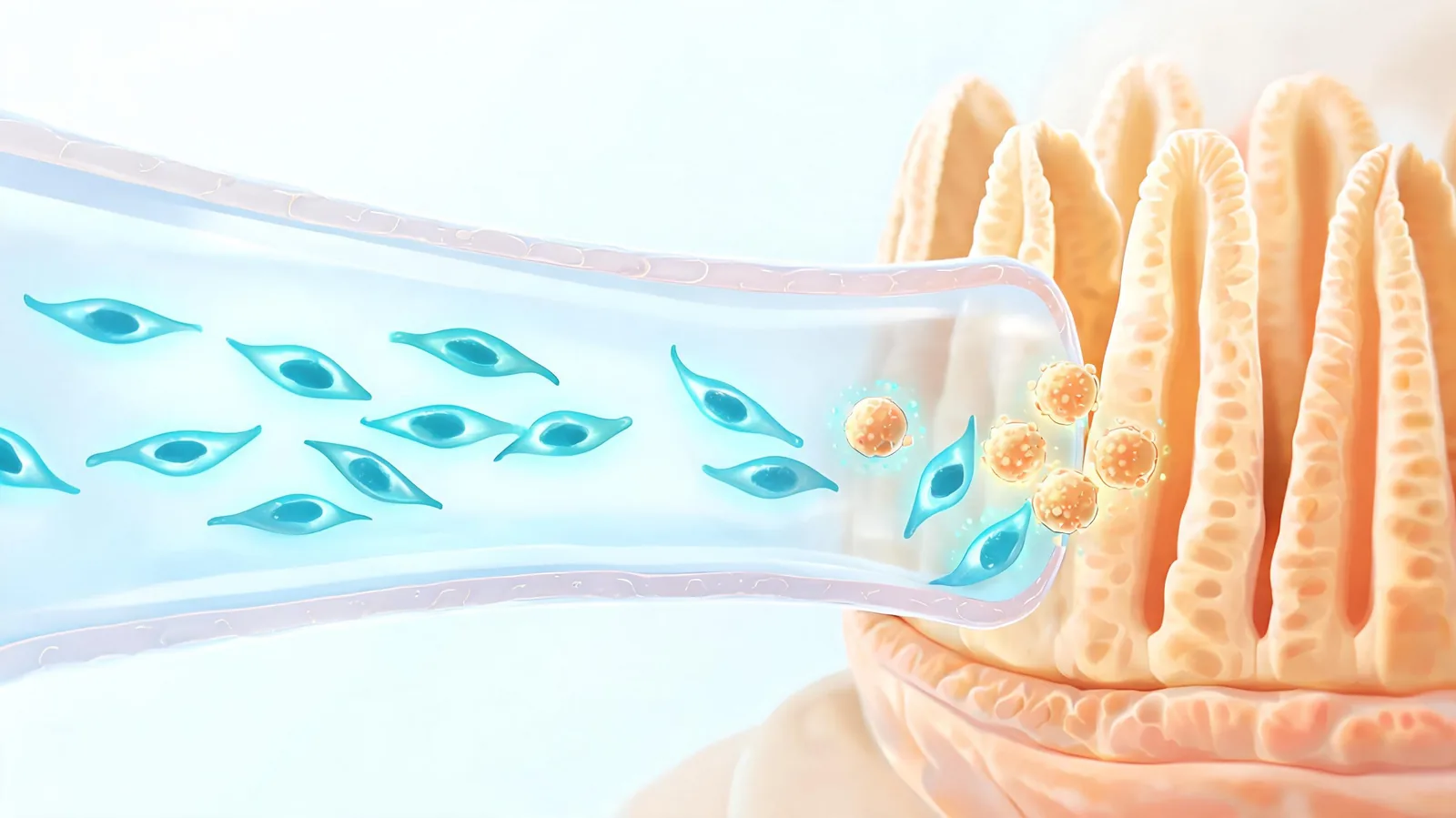
Mesenchymal stem cells suppress excessive activity of immune cells such as T cells and modulate inflammation, and because they provoke little immune response, donor cells can be used. Research in this area took off in the early 2000s after investigators at the Karolinska Institute in Sweden reported improvement in a patient with severe GVHD who received mesenchymal stem cells.
Reported research findings
① European multicentre phase II study (2008) — involving Swedish and other European institutions, 55 patients with severe, steroid-refractory acute GVHD received intravenous mesenchymal stem cells. Many patients had a complete response, with GVHD symptoms disappearing entirely, and patients with a complete response had lower transplant-related mortality and higher survival than those without. Published in the Lancet, the study became a landmark in the field.
② Approval in Japan (2015) — in 2015 Japan's Ministry of Health, Labour and Welfare approved an allogeneic bone marrow-derived mesenchymal stem cell product for acute GVHD after haematopoietic stem cell transplantation. It was the first allogeneic mesenchymal stem cell product approved in Japan, based on Japanese clinical trial results, and it is covered by public health insurance.
③ Approval in the United States (2024) — in December 2024 the U.S. Food and Drug Administration (FDA) approved an allogeneic bone marrow-derived mesenchymal stem cell product for steroid-refractory acute GVHD in children, the first mesenchymal stem cell therapy approved in the United States.
Dry mouth after radiotherapy
Radiotherapy for head and neck cancer often damages the salivary glands, leaving long-term dry mouth (xerostomia) after treatment. It makes speaking, swallowing and tasting difficult and raises the risk of tooth decay and oral infection. A Danish team carried out a randomised phase 1/2 study (MESRIX, 2018) in patients with radiation-induced dry mouth, injecting adipose-derived mesenchymal stem cells into the submandibular glands under ultrasound guidance and comparing them with placebo. Improvements in saliva production and dry-mouth symptom scores were reported in the cell group, and follow-up studies are continuing.
Safety and points to check
In GVHD studies, intravenous mesenchymal stem cells were generally well tolerated, and serious adverse events directly related to infusion were reported to be uncommon. However, because of their immunosuppressive properties, effects on infection and on relapse of blood cancer need continued monitoring. If you are undergoing or have completed cancer treatment and come across stem cell information, distinguish whether it concerns cancer itself or side effects, and whether it is an approved product or research; all decisions should be discussed with your oncology team.
How results are measured in GVHD and dry mouth research
Acute GVHD is graded by assessing the severity of symptoms in the skin (extent of rash), liver (bilirubin level) and gut (volume of diarrhoea), then combining them into grades 1–4, with grades 3–4 classed as severe. Treatment studies use the overall response rate — complete responses, with all symptoms resolved, plus partial responses — at a set time after starting treatment (often day 28) as the primary outcome; the day-28 overall response rate was also the basis for the US approval of the paediatric GVHD product. Over the long term, survival, transplant-related mortality and relapse of blood cancer are also assessed.
Studies of dry mouth after radiotherapy measure salivary gland function objectively by the amount of saliva collected over a set time, and assess the symptoms patients experience with questionnaires about dryness and difficulty speaking and swallowing. Ultrasound or tissue examination may also be used to check changes in salivary gland tissue.
The above summarises results reported in published papers and public-agency materials. University and institute names are given to identify research sources, not to introduce or recommend any medical institution. Reported results do not mean the same effect for everyone, and the suitability of any treatment is decided by the medical team.
Regulation & Other (Crohn's, Pain, etc.) →
References
- Le Blanc K, Frassoni F, Ball L, et al. Mesenchymal stem cells for treatment of steroid-resistant, severe, acute graft-versus-host disease: a phase II study. Lancet. 2008;371(9624):1579-1586. View on PubMed
- Grønhøj C, Jensen DH, Vester-Glowinski P, et al. Safety and efficacy of mesenchymal stem cells for radiation-induced xerostomia: a randomized, placebo-controlled phase 1/2 trial (MESRIX). Int J Radiat Oncol Biol Phys. 2018. View on PubMed
- 厚生労働省「再生医療について」 https://www.mhlw.go.jp/stf/seisakunitsuite/bunya/kenkou_iryou/iryou/saisei_iryou/index.html
FTH Co., Ltd. (FTH) is not a medical institution. We provide overseas medical information guidance and translation and interpretation support for medical materials, and does not provide medical consultation, diagnosis, treatment or medical judgements.