The following is general information introducing research findings. Results reported in studies do not mean the same outcome for any individual, and most of these studies are small or early-stage.
Summary — Cell therapy research in liver cirrhosis was pioneered by a team at Yamaguchi University in Japan. The team developed 'autologous bone marrow cell infusion therapy', giving patients' own bone marrow cells intravenously, and reported in 2006 that serum albumin and liver function scores improved after infusion in nine patients with cirrhosis. The team has since continued its research using cultured mesenchymal stem cells. Meanwhile, the UK randomised phase 2 REALISTIC study (2018) found that a different stem cell approach did not improve its primary outcome.
What is liver cirrhosis?
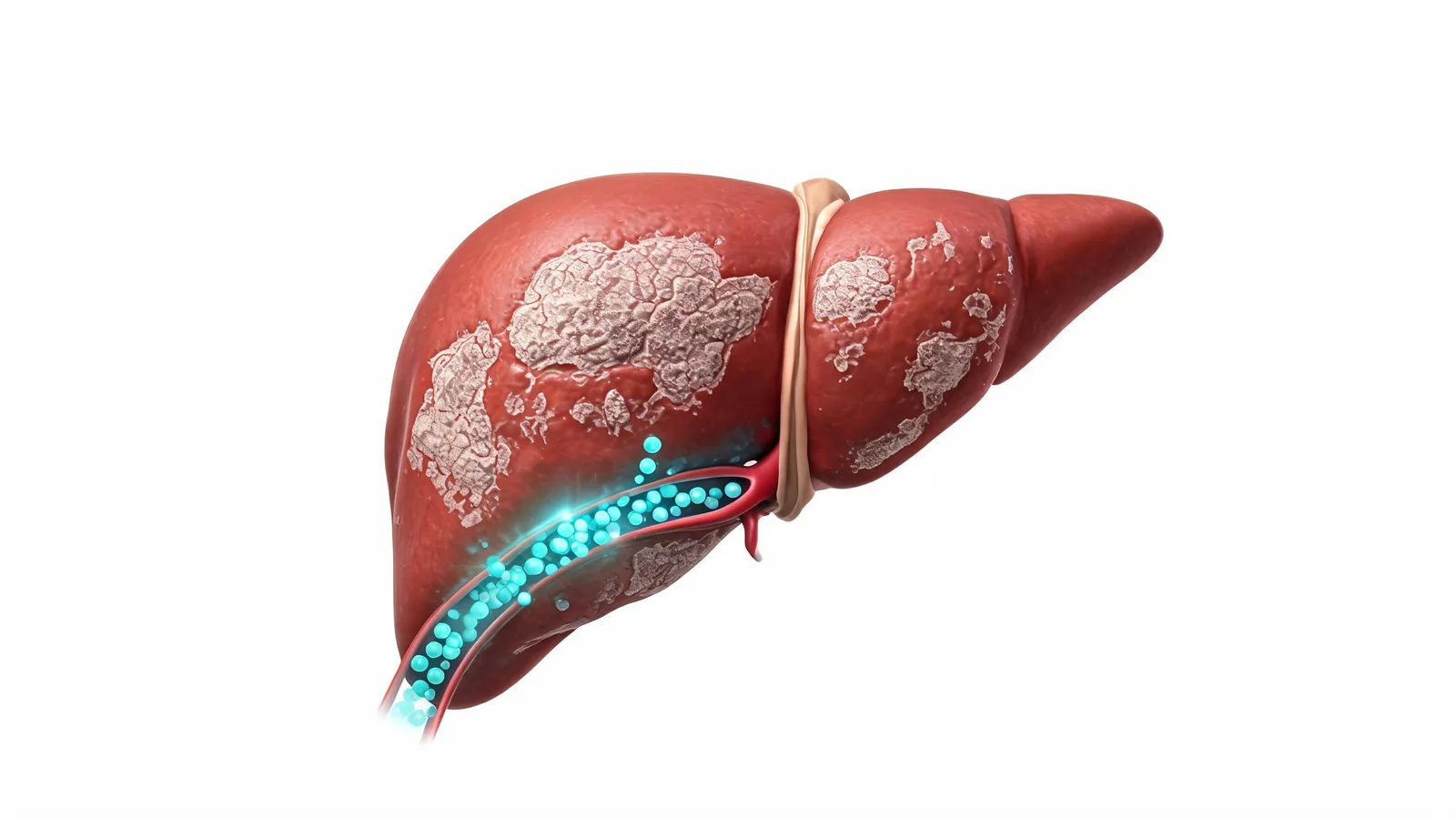
Cirrhosis is a state in which repeated long-term inflammation and damage reduce normal liver cells and increase fibrous scar tissue, so the liver becomes hard and its function declines. Major causes include hepatitis B and C, heavy drinking, metabolic dysfunction-associated fatty liver disease and autoimmune liver diseases. A long 'compensated' phase with few symptoms is followed, as the disease progresses, by a 'decompensated' phase with complications such as ascites, bleeding from oesophageal or gastric varices, hepatic encephalopathy and jaundice. Cirrhosis is also an important risk factor for liver cancer.
The liver normally has a strong capacity to regenerate, but in advanced cirrhosis fibrosis worsens the regenerative environment. Liver function is assessed with serum albumin, bilirubin and clotting measures, and combined scores such as the Child-Pugh and MELD scores are used to judge severity.
Current standard treatment
Treating the cause is most important. Antiviral drugs are available for hepatitis B, oral antivirals that clear the virus in most patients with hepatitis C, and stopping alcohol is essential when drinking is the cause; some studies suggest that fibrosis can improve to some extent once the cause is removed. Nutritional management, treatment of complications such as ascites and varices, and regular liver cancer screening follow. In advanced decompensated cirrhosis, liver transplantation is the definitive treatment, but donors are scarce and not every patient can receive one. For these reasons, cell therapies that might improve liver function, buy time until transplantation or offer an alternative have been studied.
Why stem cells are studied
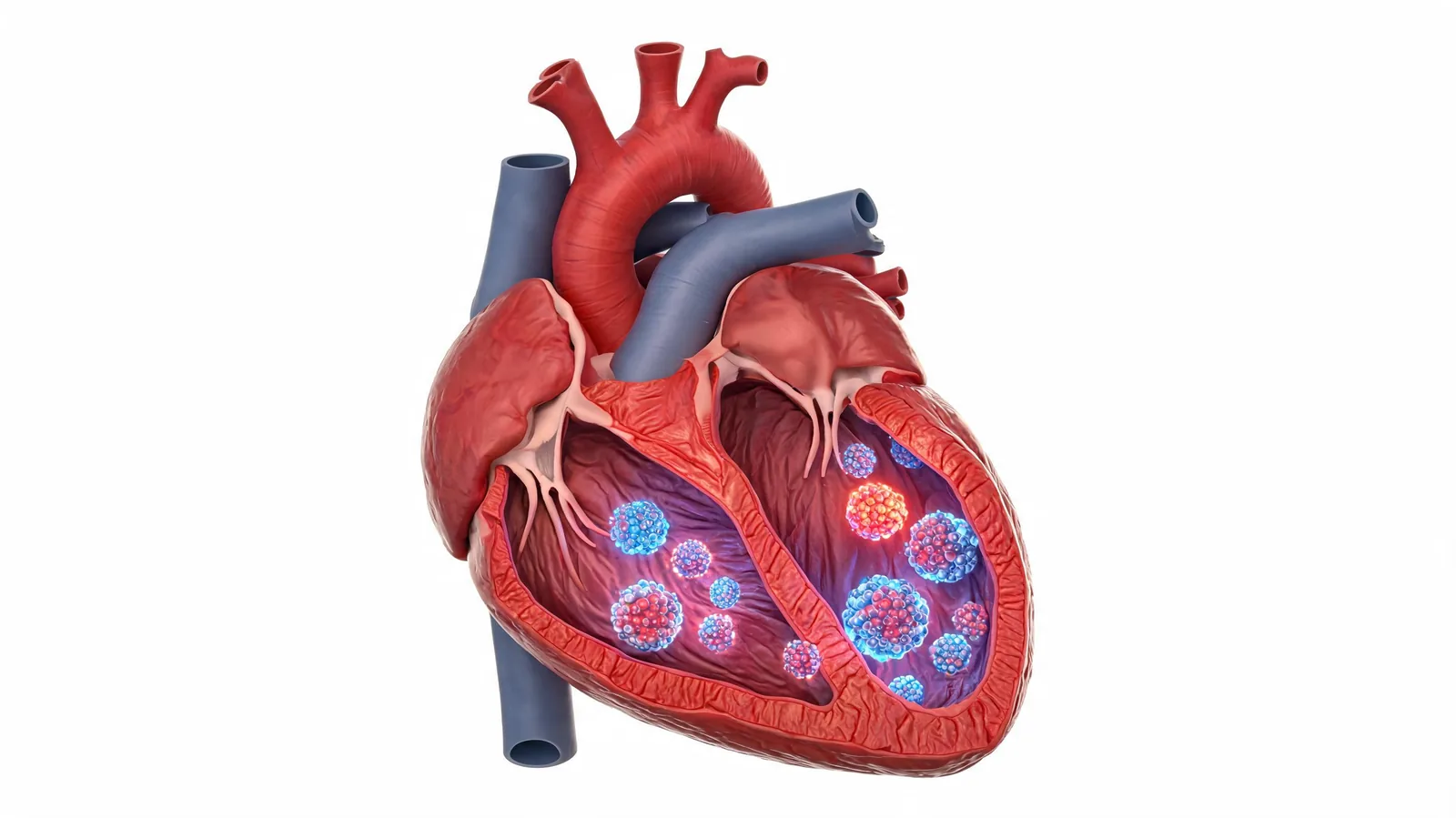
Bone marrow contains not only haematopoietic stem cells but also mesenchymal stem cells and other cells. Researchers hypothesised that these cells might travel to the damaged liver, support enzymes that break down fibrous tissue, modulate inflammation and secrete factors that promote liver cell regeneration. In animal models of cirrhosis, reduced fibrosis and improved liver function were reported after bone marrow cell administration.
Reported research findings
① Autologous bone marrow cell infusion therapy (Yamaguchi University, Japan, 2006) — the team collected bone marrow under general anaesthesia from nine patients with cirrhosis, separated the mononuclear cells and infused them into a peripheral vein the same day. Over 24 weeks of follow-up, levels of serum albumin, a protein made by the liver, rose and Child-Pugh scores improved. No serious infusion-related adverse events were reported. Published in Stem Cells, the study is widely cited as early research in cell therapy for cirrhosis, though it was small and had no control group.
The Yamaguchi team has since continued its research with approaches that reduce the burden of bone marrow collection and standardise cell quality: culturing mesenchymal stem cells from a small amount of bone marrow, and using donor cells.
② REALISTIC randomised phase 2 study (UK, 2018) — patients with compensated cirrhosis were assigned to standard care, granulocyte colony-stimulating factor (G-CSF, a drug that mobilises bone marrow cells into the blood), or G-CSF followed by repeated infusions of autologous CD133-positive stem cells collected afterwards into the hepatic artery or a vein. No improvement in the primary outcome, change in MELD score, was found in the stem cell groups, and more adverse events were reported. Although the cells and methods differed from the Japanese research, the study is cited as showing the importance of controlled studies in cirrhosis.
What has been reported about safety
People with cirrhosis often have impaired blood clotting, so bleeding risks from bone marrow collection or repeated procedures must be assessed carefully. One interpretation of the higher adverse event rate in REALISTIC is that it may reflect the burden of repeated procedures and drug treatment. Intravenous mesenchymal stem cells are generally reported to be well tolerated in other fields, but long-term safety in people with cirrhosis needs continued study.
Open questions
It has not yet been established at which stage, with which cells or by which route cell therapy should be given in cirrhosis. With treatment of the underlying causes having advanced greatly, the next step is to test in controlled studies what additional benefit cell therapy might bring. A review of the clinical use of mesenchymal stromal cells also names standardised manufacturing and potency measurement as key challenges.
How liver function is measured
Cirrhosis severity is mainly assessed with two scores. The Child-Pugh score combines serum bilirubin, albumin, a clotting measure (prothrombin time), ascites and hepatic encephalopathy into grades A, B and C, with C the most severe. The MELD score is calculated from bilirubin, a clotting measure (INR) and creatinine (kidney function) and is also used to prioritise liver transplant waiting lists. The Yamaguchi study looked at changes in albumin and Child-Pugh score, and REALISTIC at changes in MELD score, as main outcomes.
The degree of fibrosis is assessed by liver biopsy or, increasingly, by non-invasive tests that measure liver stiffness, such as elastography. Over the long term, complications such as ascites or variceal bleeding, need for liver transplantation, and survival are important outcomes.
The above summarises results reported in published papers and public-agency materials. University and institute names are given to identify research sources, not to introduce or recommend any medical institution. Reported results do not mean the same effect for everyone, and the suitability of any treatment is decided by the medical team.
References
- Terai S, Ishikawa T, Omori K, et al. Improved liver function in patients with liver cirrhosis after autologous bone marrow cell infusion therapy. Stem Cells. 2006;24(10):2292-2298. View on PubMed
- Newsome PN, Fox R, King AL, et al. Granulocyte colony-stimulating factor and autologous CD133-positive stem-cell therapy in liver cirrhosis (REALISTIC): an open-label, randomised, controlled phase 2 trial. Lancet Gastroenterol Hepatol. 2018;3(1):25-36. View on PubMed
- Galipeau J, Sensébé L. Mesenchymal stromal cells: clinical challenges and therapeutic opportunities. Cell Stem Cell. 2018;22(6):824-833. View on PubMed
FTH Co., Ltd. (FTH) is not a medical institution. We provide overseas medical information guidance and translation and interpretation support for medical materials, and does not provide medical consultation, diagnosis, treatment or medical judgements.